

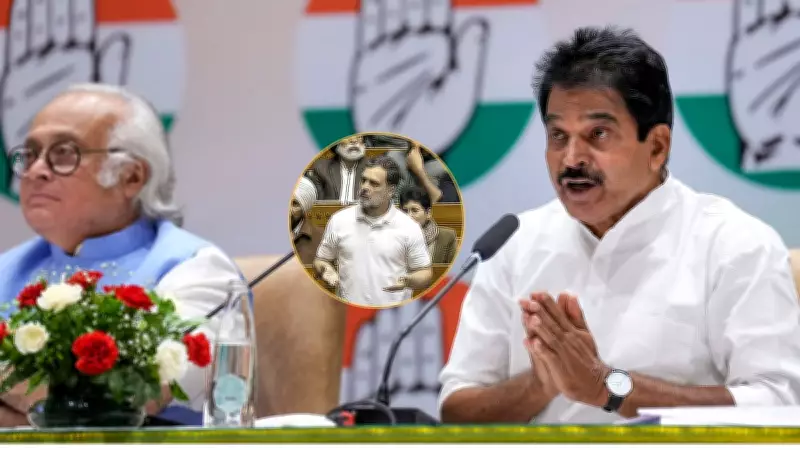
The Congress party has launched a sharp criticism against the government, alleging that there is very little opportunity for the House to run effectively. This comes after Rahul Gandhi was reportedly not allowed to speak during a session in the Lok Sabha, sparking outrage from the opposition.
Congress Condemns Government's Actions
In a strongly worded statement, Congress leaders expressed their frustration over the incident, claiming it undermines democratic norms and parliamentary procedures. They argued that such restrictions on opposition voices hinder constructive debate and governance.
Historical Parallel Drawn to 2004 Incident
The opposition party also recalled a similar event from the past to highlight what they see as a recurring pattern. On June 10, 2004, then Prime Minister Manmohan Singh was prevented by the BJP from speaking on the Motion of Thanks to the President's Address. This historical reference was emphasized by Congress spokesperson Jairam Ramesh, who shared a video on social media to reinforce their point.

In the video, Dr. Manmohan Singh is seen referring to the fact that he was barred from replying to the Motion of Thanks on that date. This comparison aims to draw attention to alleged continuity in parliamentary disruptions across different political eras.
Implications for Parliamentary Democracy
The Congress party's criticism raises broader concerns about the functioning of India's parliamentary system. They contend that such incidents erode the principles of free speech and accountability that are fundamental to a healthy democracy. By restricting key figures like Rahul Gandhi from addressing the House, they argue, the government is stifling opposition and limiting transparency.
This development has sparked discussions among political analysts and citizens alike, with many calling for a reevaluation of parliamentary rules to ensure fair representation and debate. The Congress party vows to continue pressing the issue, demanding greater respect for parliamentary traditions and the rights of elected representatives.






