

Congress Launches Fierce Attack on Modi Government Over US Trade Agreement
The Indian National Congress has launched a blistering critique of the Bharatiya Janata Party-led government, accusing Prime Minister Narendra Modi of having "surrendered and compromised" India's sovereign interests in a newly announced trade framework with the United States of America. Senior Congress leaders have characterized the agreement as fundamentally imbalanced, with former Finance Minister P Chidambaram stating his preliminary assessment indicates the deal is "heavily tilted in favour of the US and the asymmetry is obvious."
Contentious Clause on Russian Oil Imports
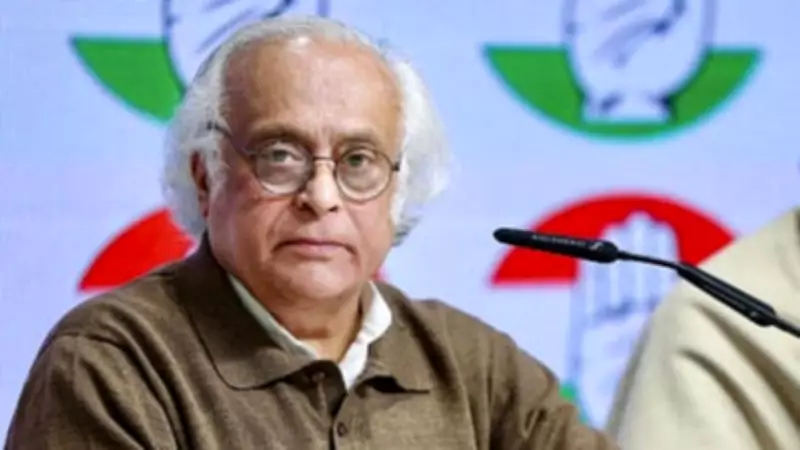
The core of the controversy revolves around a specific provision granting the United States authority to monitor India's crude oil imports from Russia. According to the framework, if the US determines that India has imported Russian oil—either directly or through indirect channels—a previously waived 25 percent tariff penalty would be immediately reinstated. Congress General Secretary Jairam Ramesh publicly denounced this condition on social media platform X, formerly Twitter, calling it "truly extraordinary" and lambasting the Modi administration for accepting such terms.
Ramesh's post included the pointed phrase "Naam Narender Kaam Surrender," a Hindi play on words suggesting that while the Prime Minister's name signifies determination, his actions represent capitulation. This criticism underscores the political firestorm the deal has ignited, with the opposition framing it as a severe compromise of India's independent foreign policy and energy security strategy.

Broader Political and Economic Implications
The Congress party's allegations extend beyond the oil monitoring clause. They argue the entire trade framework reflects a broader pattern of concessions that could disadvantage Indian economic interests. The opposition claims the agreement fails to secure reciprocal benefits for Indian exporters and may expose domestic industries to unfair competition. This development occurs against the backdrop of ongoing geopolitical tensions and India's strategic efforts to balance relations with major powers while safeguarding its national interests.
Political analysts suggest this issue could become a significant point of contention in upcoming parliamentary sessions and public discourse. The BJP government has yet to issue a detailed rebuttal to the Congress's specific charges regarding the Russian oil provision. As both parties prepare for future electoral battles, trade policy and sovereignty are likely to remain central themes in India's vibrant political dialogue.






