

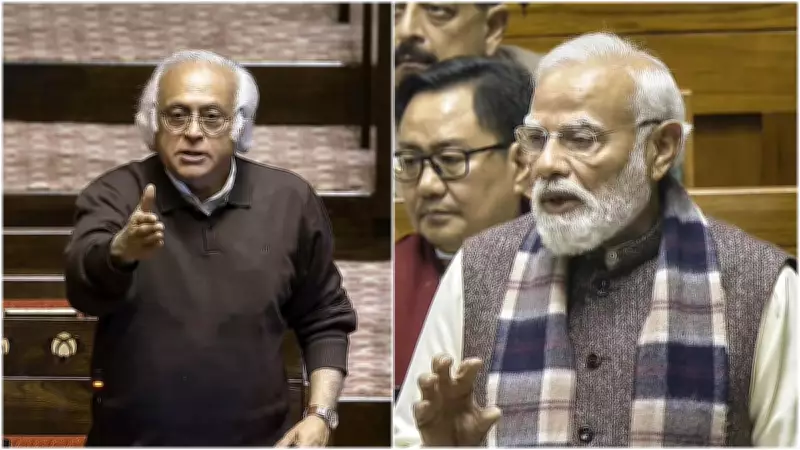
Congress Accuses PM Modi of Diplomatic Silence on Khamenei Assassination
The Indian National Congress has launched a sharp critique against Prime Minister Narendra Modi, alleging his administration's deliberate silence regarding the assassination of Iran's Supreme Leader Ayatollah Ali Khamenei. The opposition party contends that this reticence stems from a strategic desire not to antagonize key allies, specifically the United States and Israel, who executed the military operation.
Details of the US-Israel Military Attack on Iran
On February 28, 2026, a coordinated military assault by the United States and Israel targeted Iran, resulting in the death of Ayatollah Ali Khamenei. This significant geopolitical event has sent shockwaves across international relations, prompting varied responses from global leaders and nations. The attack marks a severe escalation in regional tensions and has raised critical questions about sovereignty and international law.
Congress's Allegations Against the Modi Government
In a strongly worded statement, the Congress party highlighted what it perceives as the Prime Minister's failure to condemn the assassination publicly. The opposition argues that this silence is indicative of a broader foreign policy approach that prioritizes maintaining friendly relations with powerful nations like the US and Israel, even at the cost of addressing acts of aggression. They suggest that such diplomatic caution could undermine India's stance on global justice and sovereignty issues.

Key Points from the Congress Critique:
- Accusation of Avoidance: The Congress claims PM Modi is intentionally avoiding criticism to preserve alliances.
- Diplomatic Implications: This silence may affect India's image as a principled actor in international affairs.
- Historical Context: The party references past instances where India has taken clear stands on similar global conflicts.
Broader Political and International Reactions
The assassination has triggered a complex web of reactions worldwide, with many countries weighing in on the legality and morality of the attack. In India, the political discourse has become polarized, with the Congress using this issue to challenge the government's foreign policy credentials. Analysts note that this incident could influence upcoming political debates and India's diplomatic engagements in the Middle East and beyond.
Potential Consequences:
- Strain on India-Iran relations if perceived as indifferent to Iranian sovereignty.
- Impact on domestic political narratives as opposition parties leverage the issue.
- Reevaluation of India's balancing act between Western allies and regional powers.
As the situation develops, the Congress continues to press for a more vocal stance from the Indian government, emphasizing the need for consistency in foreign policy principles. The ongoing debate underscores the intricate challenges faced by nations in navigating international conflicts while managing domestic political pressures.






