

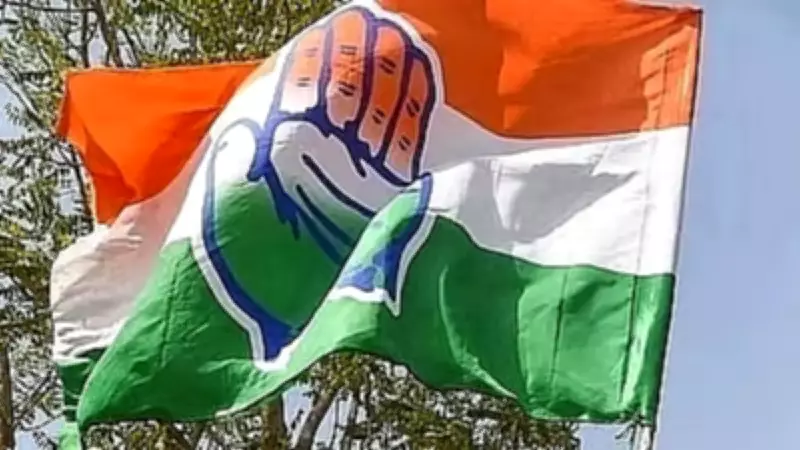
Congress Women Leaders Demand 33% Reservation in Lok Sabha Without Delimitation Link
In a significant political development, women leaders from the Congress party have issued a strong demand for the immediate implementation of a 33 percent reservation for women in the Lok Sabha. They have explicitly opposed linking this crucial reform to the delimitation process, calling for swift action from the central government.
Urgent Call for Women's Representation
The leaders emphasized that if the central government has genuine concern for women's empowerment and political participation, Prime Minister Narendra Modi should prioritize the enactment of women's reservation without any further delays or conditionalities. They argue that tying the reservation to delimitation, which involves redrawing electoral boundaries based on population changes, would only serve to postpone this long-overdue measure indefinitely.
The demand highlights a critical stance in Indian politics, where women's representation in the highest legislative body remains disproportionately low. Currently, women constitute less than 15 percent of the Lok Sabha members, far below the proposed 33 percent benchmark that has been discussed for decades.

Political Implications and Historical Context
This move by Congress women leaders comes amid ongoing debates about gender equality and political inclusivity in India. The Women's Reservation Bill, which proposes to reserve one-third of all seats in the Lok Sabha and state legislative assemblies for women, has been a contentious issue since its introduction in the 1990s. Despite bipartisan support in principle, its passage has been stalled by various political and procedural hurdles.
Linking the reservation to delimitation is seen by critics as a tactical delay, as the delimitation exercise itself is complex and time-consuming, often influenced by demographic shifts and political considerations. By demanding decoupling, the Congress leaders aim to expedite the process and ensure that women's political empowerment is not held hostage to other electoral reforms.
Key Arguments and Future Steps
The leaders outlined several key points in their demand:
- Immediate implementation of 33% reservation to enhance women's voice in national decision-making.
- Removal of the delimitation precondition to avoid unnecessary delays.
- A call for the Prime Minister to demonstrate commitment to women's issues through concrete legislative action.
This demand is expected to resonate across political lines, potentially influencing upcoming policy discussions and electoral strategies. As the 2026 timeline mentioned in the original article suggests, this issue is gaining urgency, with stakeholders pushing for resolution before further electoral cycles.
In conclusion, the Congress women leaders' stance marks a pivotal moment in the fight for gender parity in Indian politics. Their call for a standalone women's reservation bill, free from delimitation constraints, underscores a broader struggle for equitable representation and could shape the political landscape in the coming years.






