CPI(M) Voices Strong Opposition to Proposal for Increasing Lok Sabha Seats
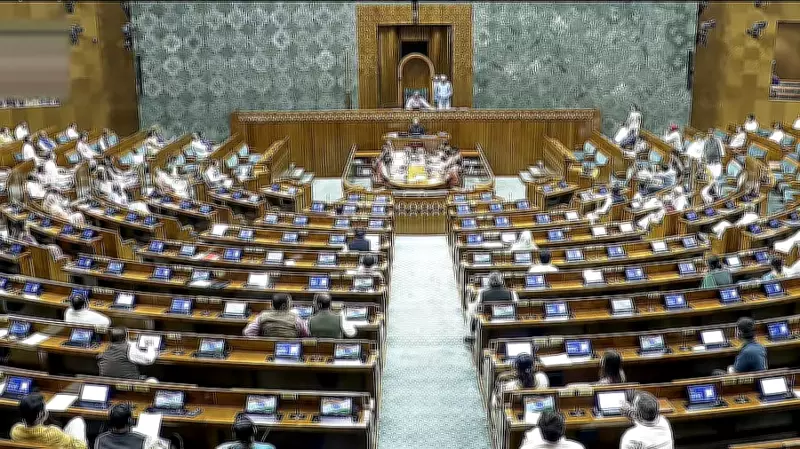
The Communist Party of India (Marxist), commonly known as the CPI(M), has taken a firm stance against any proposal to increase the number of seats in the Lok Sabha, India's lower house of Parliament. The party has raised significant concerns, arguing that such a move poses a serious threat to the federal balance and diversity that are fundamental to the country's democratic framework. This opposition comes amid ongoing discussions and debates about potential electoral reforms and representation adjustments in India's political landscape.
Concerns Over Federal Imbalance and Diversity
In a detailed statement, the CPI(M) emphasized that increasing Lok Sabha seats could lead to a disproportionate concentration of power, potentially undermining the principles of federalism enshrined in the Indian Constitution. The party highlighted that India's federal structure is designed to ensure equitable representation for all states and regions, and any alteration in seat numbers might disrupt this delicate equilibrium. According to the CPI(M), this could result in larger states gaining more influence at the expense of smaller ones, thereby threatening the diversity and pluralism that define the nation.
The CPI(M) pointed out that the current distribution of Lok Sabha seats is based on population data from the 1971 census, a system intended to maintain stability and fairness. The party warned that revising this to increase seats could lead to political manipulation and gerrymandering, where boundaries are redrawn to favor certain political groups. This, in turn, might exacerbate regional disparities and weaken the voice of marginalized communities, further endangering India's social fabric.

Potential Impacts on Representation and Governance
Beyond federal concerns, the CPI(M) argued that increasing Lok Sabha seats could have broader implications for governance and public trust. The party noted that a larger Parliament might lead to inefficiencies in legislative processes, making it harder to pass laws and address urgent national issues. Additionally, the CPI(M) expressed fears that such changes could dilute the quality of representation, as more seats might not necessarily translate to better accountability or responsiveness to citizens' needs.
The CPI(M) also linked this issue to ongoing debates about electoral reforms, such as the delimitation of constituencies. The party cautioned that without careful consideration, increasing seats could undermine the integrity of India's democratic institutions and erode public confidence in the political system. By opposing this move, the CPI(M) aims to safeguard the principles of equity and justice that are central to India's democracy.
Broader Political and Social Context
This opposition from the CPI(M) is part of a larger political discourse in India, where questions of representation and federalism are increasingly prominent. The party's stance reflects its commitment to protecting the rights of states and ensuring that all regions have a fair say in national decision-making. In recent years, issues like the delimitation exercise and calls for increasing parliamentary seats have sparked intense discussions among political parties, scholars, and civil society groups.
The CPI(M) has called for a comprehensive review of any proposals to alter Lok Sabha seats, urging the government to prioritize consensus-building and inclusive dialogue. The party emphasized that any changes must be guided by the goal of strengthening federalism and preserving India's diverse cultural and political landscape. As debates continue, the CPI(M) remains vigilant in its opposition, advocating for measures that uphold the constitutional values of balance and representation.