

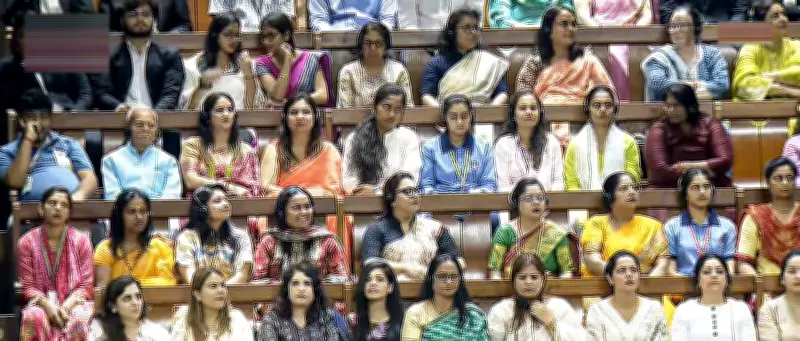
Experts Urge Decoupling Women's Reservation from Delimitation Process
In a significant development, political analysts and activists across India are intensifying calls to separate the implementation of the Women's Reservation Bill from the ongoing delimitation process. This linkage, they argue, is creating unnecessary delays and hindering progress toward gender equality in the nation's legislative bodies. The debate centers on the constitutional provision that ties the reservation of seats for women in Parliament and state assemblies to the redrawing of electoral boundaries, a complex and politically charged exercise.
The Core Issue: Delimitation as a Barrier
The Women's Reservation Bill, which aims to allocate 33% of seats for women in the Lok Sabha and state assemblies, has been a longstanding demand for decades. However, its enactment is contingent upon the completion of delimitation, a process that adjusts constituency boundaries based on population changes. Critics point out that delimitation is often mired in political controversies and logistical challenges, effectively stalling the reservation's implementation. This dependency, they assert, undermines the urgency of addressing gender disparities in political representation.
Political analysts emphasize that delimitation should not serve as a precondition for women's reservation. They highlight that other constitutional amendments and policies have been implemented independently, without such linkages. By decoupling these processes, the government could expedite the reservation's rollout, ensuring that women gain equitable access to political power sooner rather than later. This move would align with global trends where countries have successfully implemented gender quotas without tying them to boundary revisions.

Implications for Gender Equality and Governance
The delay caused by linking women's reservation to delimitation has far-reaching consequences. Firstly, it perpetuates the underrepresentation of women in decision-making roles, limiting diverse perspectives in policy formulation. Studies show that increased female participation in politics leads to more inclusive governance and better outcomes in areas such as health, education, and social welfare. Secondly, this linkage sends a negative message about India's commitment to gender equality, potentially affecting its international standing and domestic social cohesion.
Activists argue that immediate action is needed to break this impasse. They propose:
- Amending the relevant clauses to allow women's reservation to proceed independently of delimitation.
- Implementing the reservation in phases, starting with states where delimitation is less contentious.
- Engaging in bipartisan dialogue to build consensus and overcome political hurdles.
These steps, they believe, would demonstrate a genuine commitment to empowering women in politics and accelerate progress toward the Sustainable Development Goals related to gender equality.
Historical Context and Future Prospects
The Women's Reservation Bill has faced numerous obstacles since its introduction in the 1990s, including political opposition and procedural delays. Linking it to delimitation, which is scheduled based on census data, adds another layer of complexity. For instance, the next delimitation exercise is expected after the 2026 census, potentially pushing women's reservation further into the future. This timeline is unacceptable to many advocates who stress that gender justice cannot wait for demographic adjustments.
Looking ahead, experts suggest that decoupling these processes could serve as a catalyst for broader electoral reforms. It might inspire similar measures for other marginalized groups and enhance the overall representativeness of Indian democracy. As the debate gains momentum, stakeholders are urging policymakers to prioritize gender equality over procedural technicalities, ensuring that women's voices are heard in the halls of power without further delay.






