

Political Slugfest Erupts in Delhi Over EC's Transfer Move in Bengal
A major political controversy has ignited in Delhi after the Election Commission (EC) ordered the transfer of the chief secretary and the Director General of Police (DGP) in West Bengal, which is currently in the midst of election preparations. This decision has sparked a heated debate among political leaders, with accusations of bias and selective enforcement flying across party lines.
EC's Action in Poll-Bound West Bengal
The Election Commission, in a move aimed at ensuring free and fair elections, transferred the top administrative and police officials in West Bengal. This step is part of standard protocol to maintain neutrality during the electoral process, but it has drawn sharp criticism from opposition parties who allege inconsistency in the EC's approach.
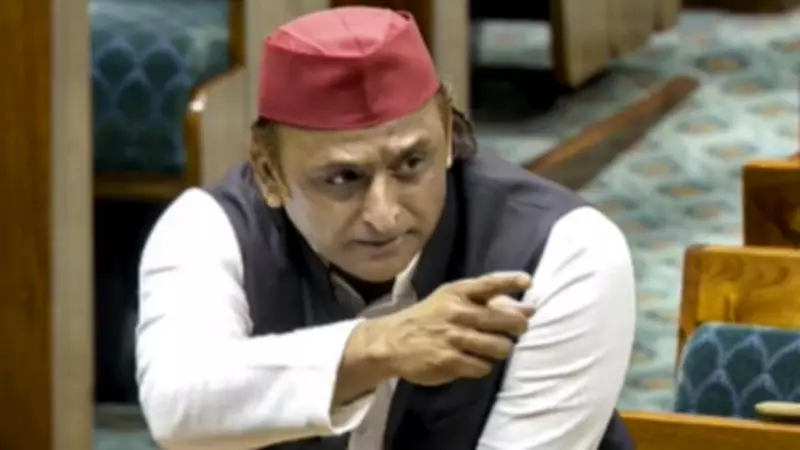
In response, Akhilesh Yadav, a prominent opposition leader, pointed to Uttar Pradesh, where the Bharatiya Janata Party (BJP) holds power. He questioned why the EC had not taken similar action there during past elections, suggesting a double standard. "If the EC is so concerned about fairness in Bengal, why has it remained silent on Uttar Pradesh?" Yadav stated, highlighting what he perceives as unequal treatment.

Delhi's Political Reaction
The controversy has led to a political slugfest in Delhi, with leaders from various parties engaging in verbal sparring over the EC's decision. Supporters of the move argue it is necessary to prevent any potential misuse of power, while critics claim it undermines the autonomy of state administrations and could be politically motivated.
Key points of contention include:
- The timing of the transfers, just before elections in West Bengal.
- Comparisons with other states like Uttar Pradesh, where similar actions were not taken.
- Allegations of the EC being influenced by the ruling party at the center.
Broader Implications for Indian Elections
This incident raises broader questions about the role of the Election Commission in maintaining electoral integrity across India. As the country gears up for multiple state elections, the EC's actions are under intense scrutiny. The debate in Delhi reflects ongoing tensions between federal and state powers, as well as concerns over political interference in administrative matters.
Observers note that such controversies could impact voter confidence and the perceived fairness of the electoral process. The EC has defended its decision, stating it is based on objective assessments to ensure a level playing field for all political parties.
As the political storm continues, all eyes are on how this will affect the upcoming elections in West Bengal and whether it will lead to changes in the EC's approach nationwide.






