

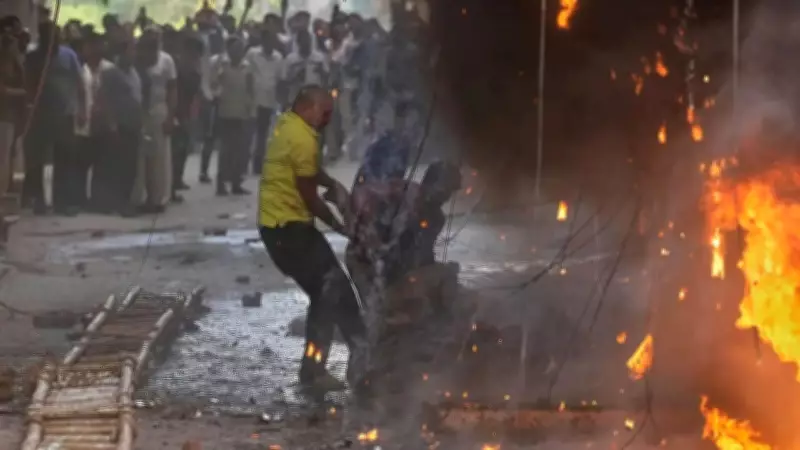
A devastating fire at a restaurant and hotel in Malviya Nagar, New Delhi, claimed more than 20 lives on Wednesday, reigniting concerns over fire safety in the city's densely packed urban villages and commercial clusters. Narrow lanes, unauthorized constructions, and mixed land use create conditions ripe for disaster, according to urban planners, fire officials, and residents.
Congested Lanes Hamper Rescue Efforts
Emergency responders face significant access challenges in many parts of Delhi. Urban villages like Malviya Nagar, Hauz Rani, Khirki Extension, Munirka, Shahpur Jat, and Katwaria Sarai feature narrow lanes not designed for heavy commercial activity. Fire tenders often struggle to reach affected buildings due to haphazardly parked vehicles, street vendors, and encroachments. Firefighters are forced to stretch hoses through narrow passages and climb buildings manually, losing crucial minutes.
Mixed Residential-Commercial Use Increases Risks
Over the years, Delhi's urban villages have become thriving commercial hubs. Buildings originally residential are now used as restaurants, guesthouses, hostels, coaching centers, offices, and warehouses. Commercial activity expanded without corresponding fire safety upgrades. Additional floors are added, basements converted, and electrical loads increase. Experts note a mismatch between building design and actual use. Risks are acute in restaurants with gas cylinders, electrical equipment, and crowded seating.

Basements Often Become Death Traps
Investigators are examining whether the fire spread through lower levels, highlighting basement dangers. Basements are used for storage, kitchens, staff accommodation, or seating despite safety concerns. Smoke accumulates rapidly in enclosed areas, disorienting occupants within minutes. Rescue operations become complicated. Several major fire tragedies involved basements where people could not escape. Ensuring compliance in thousands of establishments remains a challenge.
Fire Engine Accessibility Remains a Concern
Delhi Fire Services emphasizes accessibility during inspections. Many commercial clusters expanded faster than civic infrastructure. Roads meant for residential neighborhoods now serve high-density commercial zones. Even medium-sized fire tenders find it difficult to maneuver. Residents say the problem worsened as commercial activity intensified. Urban planners argue emergency access must be central to redevelopment policies.
Similar Vulnerable Pockets Across the City
Densely populated neighborhoods like Laxmi Nagar, Uttam Nagar, Sangam Vihar, Gandhi Nagar, Sadar Bazaar, Chandni Chowk, Seelampur, Bhajanpura, and parts of Karol Bagh are high-risk due to dense construction, narrow roads, and heavy commercial activity. Electrical wiring networks expanded ad hoc, with overloaded systems among the most common causes of urban fires. The scale of enforcement required is immense.
Lessons from Previous Disasters
Delhi has witnessed major fires over the past decade, including the Anaj Mandi blaze, Mundka commercial building fire, and Vivek Vihar hospital tragedy. Investigations revealed recurring issues: blocked exits, unauthorized alterations, inadequate fire safety, and delayed evacuation. Experts argue enforcement weakens once public attention shifts.
Need for Proactive Enforcement
Urban safety experts say preventing future tragedies requires stricter enforcement, regular audits, and improved planning. Periodic fire safety inspections for restaurants and guesthouses, better monitoring of building modifications, stricter penalties, and public awareness campaigns are essential. Wednesday's tragedy underscores that fire challenges extend beyond a single building. As investigators gather details, the larger question is whether Delhi can address systemic vulnerabilities in densely packed neighborhoods.






