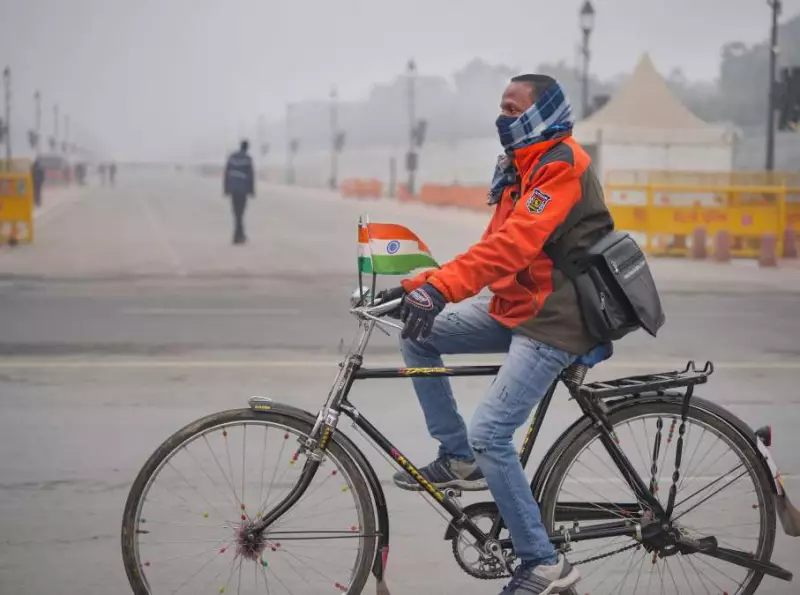
A severe combination of dense fog and hazardous air quality has plunged the national capital into chaos, prompting authorities to issue a red alert for Sunday, December 29, 2025. The extreme weather conditions have triggered massive disruptions in flight operations at the Indira Gandhi International (IGI) Airport, affecting thousands of passengers during the peak travel season.
Red Alert Issued Amid Zero Visibility and Toxic Air
The India Meteorological Department (IMD) sounded the alarm as a thick blanket of fog engulfed Delhi and the National Capital Region (NCR), severely reducing visibility. The situation was compounded by the city's air quality index (AQI) plunging into the 'severe' category, creating a double whammy for residents and travelers alike. Meteorological officials attributed the intense fog to specific atmospheric conditions, including light winds and high moisture levels, which are typical for this time of year but reached extreme levels on this date.
Authorities have advised citizens, especially those with respiratory issues, to avoid unnecessary outdoor activities. The poor air quality, characterized by high concentrations of PM2.5 and other pollutants, poses significant health risks, turning the fog into a toxic smog.

Flight Operations Grind to a Halt, Airlines Issue Advisories
The impact on aviation was immediate and severe. The dense fog led to near-zero visibility on the runways, forcing the airport authorities to implement Low Visibility Procedures (LVP). This resulted in widespread delays, diversions, and cancellations of both domestic and international flights.
Major airlines, including IndiGo, were compelled to issue travel advisories to passengers. IndiGo, in its official communication, strongly urged travelers to check their flight status before leaving for the airport. The airline highlighted that flights to and from Delhi were experiencing significant disruptions due to the adverse weather. Passengers were advised to use the airline's website or mobile app for real-time updates, as call centers were experiencing high volumes of inquiries.
The scene at Terminal 3 of IGI Airport was one of frustration, with long queues forming at airline help desks as stranded passengers sought information on rescheduling and refunds. The cascading effect of the delays disrupted flight schedules across the country.
Broader Implications and Official Response
The disruptions extended beyond air travel, affecting road and rail networks in the region. Several trains were reported running late due to the reduced visibility. The Delhi Traffic Police also issued alerts for commuters, cautioning them to drive slowly and use fog lights.
This incident underscores the recurring winter crisis that Delhi faces, where fog and pollution converge to create a public health and logistical nightmare. It highlights the persistent challenges in managing air quality and the vulnerability of critical infrastructure to weather extremes. Experts point out that such events demand more robust contingency planning from airlines, airports, and city administrations to minimize passenger inconvenience.
As of the latest updates, authorities are monitoring the situation closely. The fog is expected to persist during the morning hours, with gradual improvement as the day progresses. However, the severe AQI remains a deep-rooted concern that requires sustained, long-term action beyond immediate crisis management.