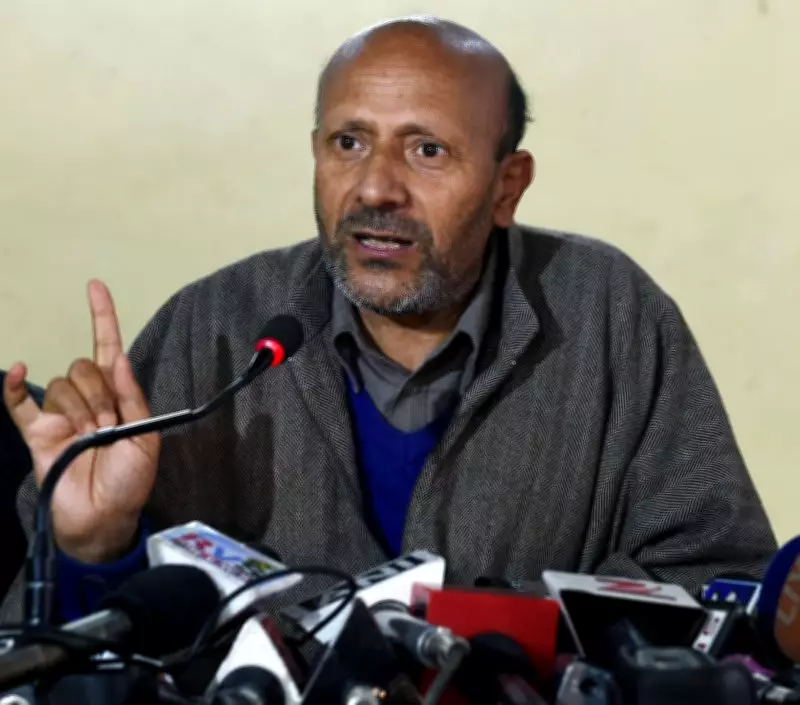
Delhi Police Denies Protest Permission to Engineer Rashid's Political Party
In a significant development, the Delhi Police has officially denied permission to the Awami Ittehad Party, led by incarcerated former Member of Parliament Engineer Rashid, to stage a protest demonstration at Jantar Mantar in the national capital. This decision underscores the ongoing security and legal scrutiny surrounding political activities linked to figures from Jammu and Kashmir.
Security and Legal Grounds Cited for Refusal
The authorities cited multiple grounds for this refusal, primarily focusing on security concerns and adherence to established legal frameworks. According to police sources, the denial was based on an assessment of potential law and order issues, given the sensitive nature of the party's demands and the current political climate. The police emphasized that all applications for protests are evaluated strictly in accordance with the provisions of the law, ensuring public safety and national security are not compromised.
Engineer Rashid, who is currently in jail on charges related to terror funding, heads the Awami Ittehad Party. His party had sought permission to organize a peaceful protest to highlight various issues, including his detention and broader political matters concerning Jammu and Kashmir. The refusal highlights the challenges faced by political entities associated with individuals under legal scrutiny, particularly in sensitive regions.

Impact on Political Activism and Free Speech
This incident raises important questions about the balance between security imperatives and the right to peaceful assembly and free speech in India. While the Delhi Police maintains that its decision is procedural and based on objective criteria, critics argue that it could set a precedent for restricting political dissent. The Awami Ittehad Party has expressed disappointment, stating that the denial undermines democratic principles and limits their ability to voice grievances.
Jantar Mantar, a historic site in Delhi, is a traditional venue for protests and demonstrations, often used by various groups to draw attention to their causes. However, permissions are tightly regulated, with authorities frequently denying requests based on intelligence inputs or potential disruptions. In this case, the police's move is seen as part of broader efforts to maintain order amid heightened security alerts.
Broader Context and Future Implications
The denial comes at a time when political activities in Jammu and Kashmir are under intense scrutiny following the abrogation of Article 370. Engineer Rashid's party, which has a base in the region, has been actively seeking to mobilize support and highlight issues such as human rights and political representation. This refusal may impact their future strategies and could lead to legal challenges or alternative forms of protest.
Observers note that such decisions reflect the complex interplay between security, law, and politics in India. As the situation evolves, it remains to be seen how other similar applications will be handled and what implications this will have for political activism nationwide. The Delhi Police has reiterated its commitment to upholding the law while ensuring that democratic processes are not hindered unnecessarily.