

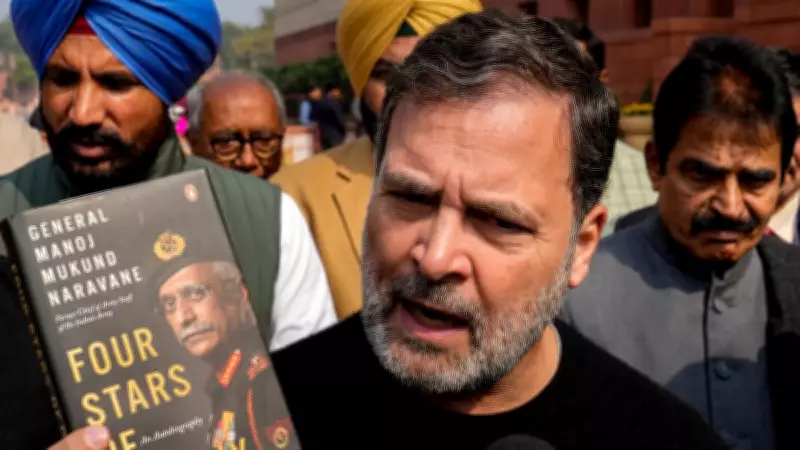
Delhi Police Interrogates Penguin Random House Officials in Naravane Memoir Controversy
In a significant development, Delhi Police has escalated its investigation into the unpublished memoir of former Indian Army Chief General M.M. Naravane by questioning officials from Penguin Random House India. This move comes amid growing concerns over the potential disclosure of sensitive information in the manuscript, which has not yet been released to the public.
Details of the Police Inquiry
The questioning, which took place recently, involved senior officials from Penguin Random House India, the publishing house contracted to release General Naravane's memoir. Police sources indicate that the interrogation focused on the content of the manuscript, the publishing timeline, and any security-related issues that might have arisen during the editorial process. Authorities are particularly interested in understanding whether the book contains classified information that could compromise national security or diplomatic relations.
This inquiry marks a formal step in the ongoing row surrounding the memoir, which has sparked debates about the balance between freedom of expression and national security. General Naravane, who served as the 28th Chief of the Army Staff from 2019 to 2022, is known for his tenure during critical periods, including the India-China border standoff. His memoir is expected to provide insights into military strategies and high-level decision-making, but its unpublished status has led to speculation and scrutiny.

Background of the Controversy
The controversy began when reports surfaced that the memoir might include details about sensitive operations and internal discussions within the government and military. This prompted security agencies to review the manuscript for potential breaches. Penguin Random House India has not publicly commented on the specifics of the police questioning, but industry insiders suggest that the publishing house is cooperating with authorities to address any concerns.
Legal experts note that such cases often involve complex issues of censorship and prior restraint, especially when former officials write about their experiences. The Indian government has previously intervened in similar situations to prevent the release of books deemed harmful to national interests. In this instance, the police action underscores the seriousness with which the authorities are treating the matter, potentially setting a precedent for future publications by retired military leaders.
Implications for Publishing and National Security
The row over General Naravane's memoir highlights the delicate interplay between publishing freedoms and security protocols in India. On one hand, memoirs by former officials can offer valuable historical perspectives and transparency; on the other, they risk exposing confidential information that could endanger ongoing operations or international relations.
- Increased Scrutiny: This incident may lead to stricter vetting processes for books by former government and military officials, affecting how publishers handle sensitive content.
- Legal Ramifications: Depending on the findings, Penguin Random House India or General Naravane could face legal action if the memoir is found to violate laws related to official secrets or national security.
- Public Discourse: The controversy has ignited discussions about the right to information versus the need for secrecy in matters of state, with many calling for clearer guidelines on such publications.
As the investigation continues, stakeholders from the publishing industry, legal circles, and security agencies are closely monitoring the situation. The outcome could influence not only the fate of General Naravane's memoir but also broader policies regarding memoirs and autobiographies in India. For now, the book remains unpublished, with its future hanging in the balance as authorities delve deeper into its contents.






