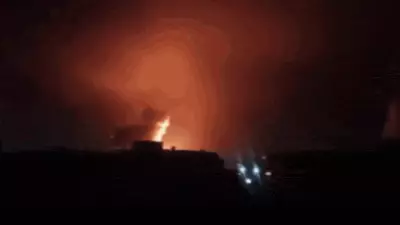
New Delhi: On average, the Delhi Fire Services (DFS) has responded to nearly 60 fire-related calls every day this year, with such incidents claiming 44 lives so far. Data reveals that the department received 9,000 fire calls in the first five months of 2026, compared to 8,613 calls during the corresponding period in 2025.
Rising Trend in Fire Incidents
In 2024, Delhi recorded 21,367 fire-related calls and 113 deaths. The following year saw a decline to 18,776 calls and 70 fatalities. However, 2026 is witnessing an upward trend, particularly with guest houses—classified under residential occupancy—accounting for more than 6,000 fire calls this year alone.
May Sees Surge in Calls
May, typically one of the busiest months for the fire department due to soaring temperatures and heatwave conditions, recorded over 2,000 calls this year, surpassing the 1,799 calls in May 2025. A DFS official attributed this rise to seasonal trends, noting that extreme heat increases the likelihood of electrical short circuits, overheating equipment, and other fire hazards.

Electrical Faults Blamed
Another official explained that most summer incidents are linked to electrical faults, particularly short circuits. The sharp rise in temperatures leads to increased use of air conditioners, coolers, fans, and other appliances, putting pressure on electrical systems. “As power consumption increases, electrical wiring, meters, and equipment are under greater stress. In many cases, old or poorly maintained infrastructure cannot handle the load, resulting in overheating and short circuits that can quickly spark fires,” the official said.
Expert Insights on Fire Spread
Atul Garg, former chief of DFS, warned that when ambient temperatures hover between 43 and 45 degrees Celsius and occasionally touch 50°C, even a minor spark can escalate into a major blaze. “In such weather, a short circuit or small spark from a gas stove can cause combustible materials to catch fire within seconds, and flames can spread rapidly through a building,” he said.
Garg explained that high temperatures lower the time needed for materials to reach their ignition point, making fires harder to contain initially. “During winter, it takes longer for objects to reach the ignition point. That delay often gives occupants or firefighters a crucial window to detect and extinguish a blaze before it spreads,” he added.