

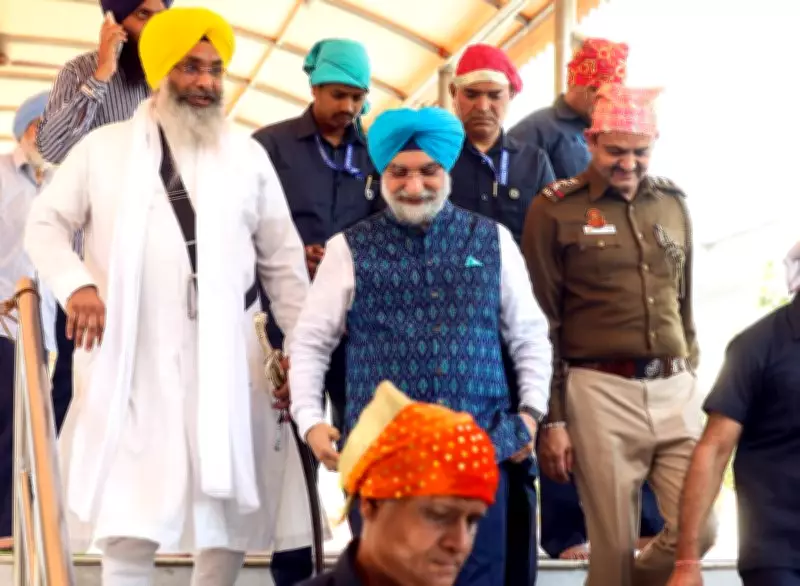
Delhi's New Lieutenant Governor VK Saxena Visits Religious Shrines, Offers Prayers
Delhi's newly appointed Lieutenant Governor, Vinai Kumar Saxena, embarked on a significant spiritual journey by visiting several prominent religious shrines across the capital city. This visit marks one of his first official engagements since assuming office, highlighting a gesture of seeking divine blessings and connecting with the city's diverse cultural fabric.
Spiritual Tour of Delhi's Sacred Sites
During his visit, Lieutenant Governor VK Saxena paid homage at key religious landmarks, including the historic Bangla Sahib Gurudwara and the revered Sri Digambar Jain Lal Mandir. At each location, he offered heartfelt prayers, participated in traditional rituals, and engaged with religious leaders and devotees present. The tour was conducted with a sense of solemnity and respect, reflecting his commitment to fostering communal harmony and spiritual well-being in Delhi.
Emphasis on Unity and Cultural Heritage
In his interactions, Saxena emphasized the importance of unity and peace, drawing inspiration from the teachings of various faiths. He expressed his desire to serve the people of Delhi with dedication and integrity, seeking blessings for a successful tenure aimed at public welfare and development. The visit underscores his approach to governance, which integrates spiritual values with administrative responsibilities, promoting a holistic vision for the city's progress.

Public and Official Reactions
The visit has garnered positive attention from both the public and official circles, with many praising Saxena's gesture as a symbol of inclusivity and respect for Delhi's pluralistic society. It sets a tone for his administration, focusing on collaborative efforts and moral leadership. As Delhi's Lieutenant Governor, VK Saxena's actions are closely watched, and this spiritual outreach is seen as a step towards building trust and rapport with the city's residents.
Overall, the visit by Lieutenant Governor VK Saxena to religious shrines not only highlights his personal faith but also reinforces the role of spiritual harmony in public life, aligning with broader goals of social cohesion and effective governance in the national capital.






