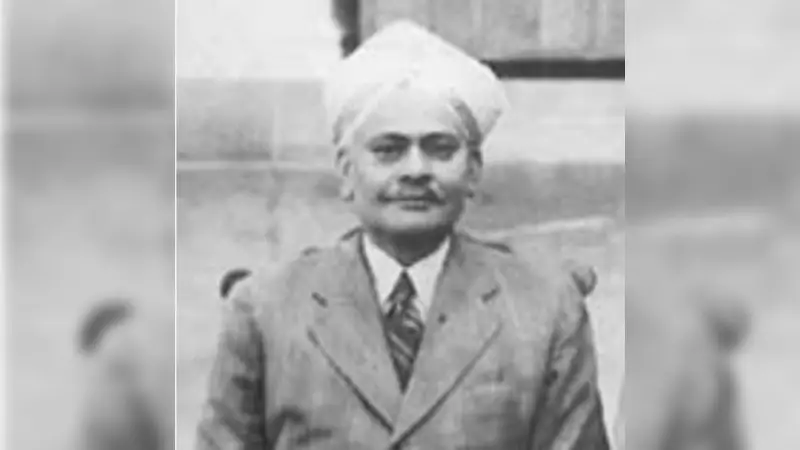
Remembering Dewan N Madhava Rau: The Quiet Architect of India's Republic
In the annals of India's journey to becoming a Republic, many names shine brightly, but some, like Dewan N Madhava Rau, worked with a quiet dedication that deserves equal recognition. Born in Machilipatnam, located in what is now Andhra Pradesh, his early life set the stage for a remarkable contribution to the nation.
Early Education and Formative Years
N Madhava Rau's academic path began at Noble College, where he laid the foundation for his intellectual pursuits. He later advanced his studies at Pachaiyappa's College in Madras, which is known today as Chennai. This period in his life was crucial, as it equipped him with the knowledge and values that would later influence his role in the making of the Republic.
His education in these esteemed institutions not only honed his skills but also instilled a deep sense of duty towards the country. It was during these years that he likely developed the quiet resolve that characterized his later work.

The Role in Shaping the Republic
While details of his specific contributions might be less publicized, Dewan N Madhava Rau is remembered as a key figure in the background, helping to build the foundations of India's Republic. His work, though not always in the limelight, was instrumental in the processes that led to the establishment of the Republic on January 26, 1950.
In an era marked by prominent leaders and vocal activists, Rau's approach was different. He focused on the meticulous and often unseen tasks that are essential for any nation's governance and legal framework. This quiet dedication made him a vital part of the Republic's creation, ensuring stability and continuity.
Legacy and Remembrance
Today, as we reflect on India's Republic Day, it is important to honor figures like Dewan N Madhava Rau. His story reminds us that nation-building is not just about grand speeches or public acclaim, but also about the steady, behind-the-scenes efforts of individuals committed to a greater cause.
From his roots in Machilipatnam to his education in Madras, his journey exemplifies how regional backgrounds and quality education can contribute to national progress. His legacy serves as an inspiration for future generations to contribute in their own quiet ways to the nation's development.
In remembering him, we acknowledge the diverse tapestry of contributors who have shaped India's Republic, each playing a unique role in its enduring success.