

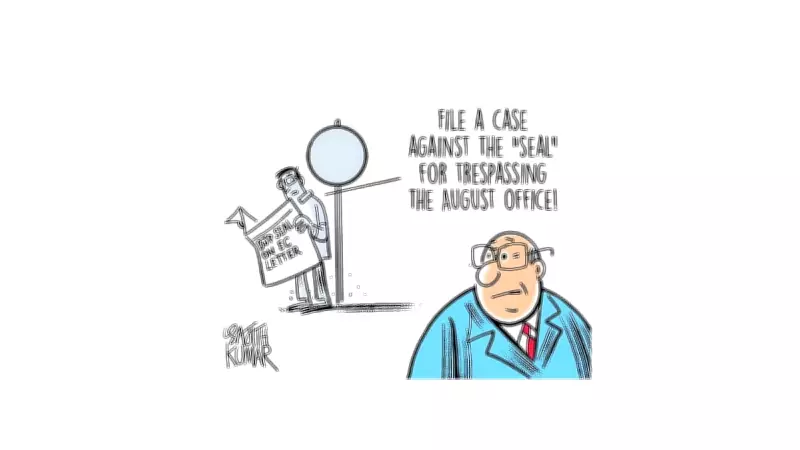
DH Cartoon: A Satirical Take on SEAL Legal Immunity
A recent cartoon published by Deccan Herald has ignited a significant public discourse by humorously yet pointedly addressing the contentious issue of legal immunity for SEALs (Sea, Air, and Land teams). The artwork, titled "A Case Against SEAL," employs sharp satire to critique the protections afforded to these elite military units, raising critical questions about accountability and justice in high-stakes operations.
Satire as a Tool for Social Commentary
The cartoon cleverly uses visual metaphors and exaggerated scenarios to underscore the potential dangers of granting unchecked legal immunity to SEALs. By depicting a courtroom scene where SEALs are portrayed as untouchable figures, the artist highlights how such immunity might shield them from scrutiny, even in cases of alleged misconduct or errors during missions. This satirical approach not only entertains but also provokes thought, encouraging viewers to reflect on the balance between national security needs and the rule of law.
In the context of global military practices, the cartoon taps into ongoing debates about the ethical implications of special forces operations. It suggests that while SEALs play a vital role in defense and counter-terrorism, their legal protections could inadvertently foster a culture of impunity, undermining public trust and democratic oversight. The artwork serves as a reminder that satire, when wielded effectively, can be a powerful medium for challenging established norms and sparking necessary conversations in society.

Public Reaction and Broader Implications
The publication of this cartoon has elicited a wide range of reactions from the public, with many praising its boldness in tackling a sensitive topic. Supporters argue that it sheds light on an often-overlooked aspect of military policy, urging policymakers to reconsider the extent of legal safeguards for SEALs. Critics, however, contend that the satire may oversimplify complex issues, potentially undermining the sacrifices and professionalism of these forces.
Beyond the immediate controversy, the cartoon underscores the role of media and art in holding institutions accountable. By using humor to dissect legal and ethical dilemmas, Deccan Herald contributes to a broader dialogue on governance and human rights. This case exemplifies how cartoons can transcend mere entertainment, serving as catalysts for civic engagement and critical thinking in an era where military accountability remains a pressing global concern.






