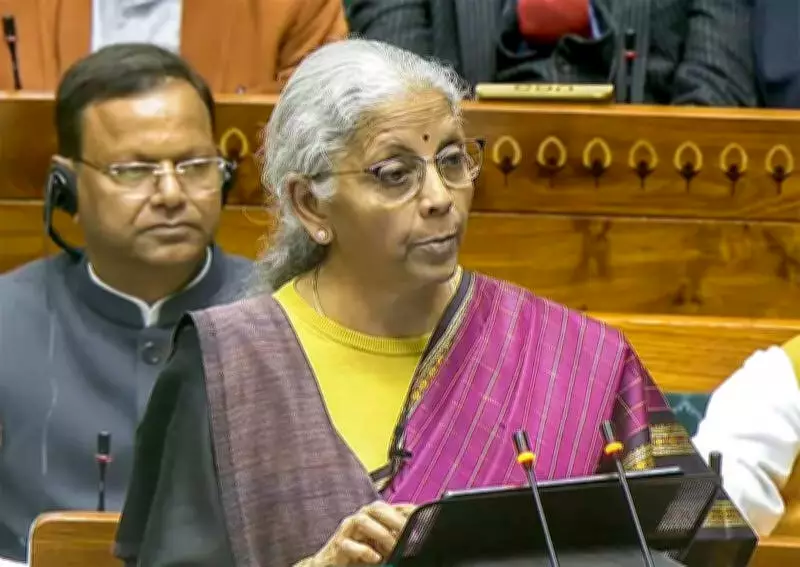
Indian Diaspora Voices Strong Criticism of Union Budget 2026-27
The Union Budget 2026-27 has sparked significant debate and strong reactions from members of the Indian diaspora across the globe. While the government emphasized fiscal discipline and investment-led development in its presentation, critics from various continents have raised serious concerns about the budget's ability to deliver truly inclusive growth that benefits all sections of society.
Concerns Over Job Creation and Economic Stability
Switzerland-based businessman Rajwinder Singh offered pointed criticism of the budget, describing it as disconnected from the everyday realities faced by ordinary Indian citizens. He acknowledged the government's focus on macroeconomic stability and investment but argued that these measures failed to translate into tangible benefits like job creation, income security, and social stability for the broader population.
"There is an urgent need to create ample job opportunities for Indian youth," Singh emphasized. "This would prevent them from seeking employment abroad and allow them to stay with their families in India." He specifically highlighted the absence of concrete measures addressing farmers' concerns, unemployment among youth, and women's participation in the workforce, while noting that issues like rising prices and shrinking household incomes appeared to be overlooked.

International Perspectives on Inclusive Development
Mohamed Irshath, a software program manager based in Manchester, United Kingdom, echoed similar concerns about employment. He stated that the budget placed limited emphasis on direct job creation, which he viewed as essential for meaningful economic progress.
"Economic growth becomes meaningful only when it translates into employment opportunities, livelihood stability, and broader participation across society," Irshath remarked. He added that infrastructure development and investment alone could not ensure inclusive and durable growth. According to him, true progress must be reflected in improved everyday livelihoods to strengthen public confidence and democratic institutions.
Regional Disparities and State-Specific Neglect
Siddharth Sinha, who works in China's logistics industry and hails from Bihar, expressed disappointment that the Union Budget 2026-27 once again failed to address his home state's needs. Despite bold promises made by the ruling party during recent elections, he noted the absence of any special package for Bihar's development.
"The Union Budget completely overlooks crucial sectors like agriculture, infrastructure, and job creation for Bihar's youth," Sinha stated. He described the lack of focus on Bihar's development as a serious oversight, arguing that the people of the state deserved more than just empty promises from the central government.
Criticism of Corporate Focus and Common People's Concerns
Ausaf Khan, an Austrian hotelier, criticized the budget for failing to address the real concerns of common people. He pointed out that issues like rising prices, unemployment, and shrinking household incomes were not met with meaningful relief measures, while large corporations continued to benefit from government policies.
Khan warned about the lack of fresh thinking in the budget document, suggesting that repackaging old schemes without a clear roadmap for job creation, farmer income security, and middle-class relief left the budget disconnected from the lived realities of millions of Indians. His comments reflect a broader sentiment among diaspora members that the budget needs to better balance macroeconomic goals with grassroots welfare.
The diverse criticisms from Indians settled abroad highlight growing concerns about whether the Union Budget 2026-27 adequately addresses fundamental issues of employment, regional equity, and social security that affect ordinary citizens across the country.