

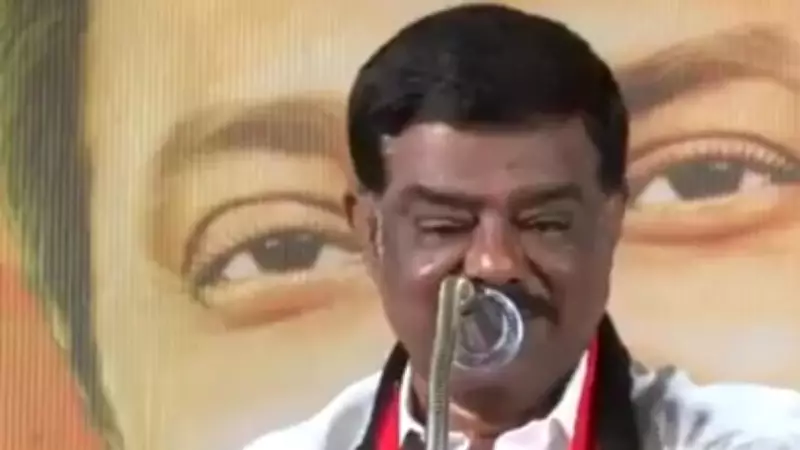
DMK Speaker Sivaji Krishnamurthy Sentenced to 3-Year Jail for Defamatory Remarks Against Tamil Nadu Governor
In a significant legal development, DMK speaker Sivaji Krishnamurthy has been sentenced to three years of imprisonment for making derogatory and defamatory remarks against the Governor of Tamil Nadu. The verdict, delivered on February 14, 2026, marks a stern judicial response to the use of abusive language in political discourse.
Background of the Case and Krishnamurthy's Controversial History
Sivaji Krishnamurthy, a prominent figure within the Dravida Munnetra Kazhagam (DMK), has long been known for his aggressive and often vulgar rhetoric directed at political opponents. His speeches have frequently drawn criticism for crossing the boundaries of civil political debate. The specific remarks that led to this conviction targeted the Tamil Nadu Governor, which were deemed highly offensive and legally actionable.
This is not the first time Krishnamurthy has faced disciplinary action within his party. In 2023, the DMK suspended him due to his persistent use of abusive language, reflecting internal concerns about his conduct. However, he was later re-inducted into the party and has continued to participate actively in DMK events, delivering speeches that often stir controversy.

Legal Proceedings and Implications of the Sentence
The court's decision to impose a three-year jail term underscores the seriousness with which such defamatory statements are viewed under Indian law. The judgment highlights the legal consequences for public figures who engage in speech that undermines the dignity of constitutional authorities like state governors.
Key aspects of the case include:
- Evidence Presented: The prosecution successfully demonstrated that Krishnamurthy's remarks were not only derogatory but also intended to malign the Governor's office.
- Legal Framework: The conviction is based on provisions related to defamation and disrespect toward constitutional positions, emphasizing the protection of public institutions from slander.
- Impact on Political Culture: This sentencing may set a precedent for holding politicians accountable for inflammatory speech, potentially curbing similar behavior in the future.
Reactions and Future Outlook
While the DMK has not issued an immediate official statement, the re-induction of Krishnamurthy in 2023 suggests a complex relationship between the party and its controversial members. His continued presence at party events indicates that, despite legal challenges, he retains some influence within DMK circles.
Looking ahead, this case could have broader implications:
- Political Accountability: It may encourage stricter enforcement of codes of conduct for politicians, promoting more respectful public discourse.
- Party Dynamics: The DMK might face pressure to reassess its stance on members with a history of abusive speech, balancing political loyalty with ethical standards.
- Public Perception: Voters and civil society groups are likely to scrutinize how political parties handle such incidents, influencing electoral outcomes.
As of February 14, 2026, the legal process is ongoing, with possibilities for appeals. This case serves as a reminder of the fine line between political criticism and unlawful defamation in India's democratic framework.






