Former CNN Anchor Don Lemon Arrested in Dramatic LA Raid
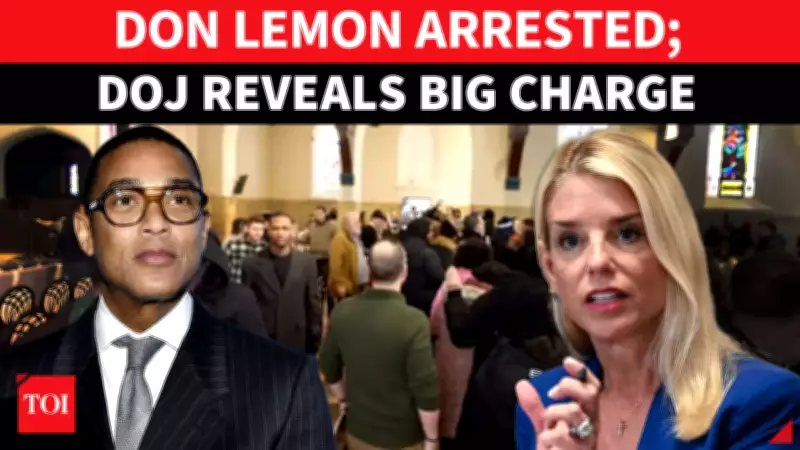
In a stunning development that has captured national attention, former CNN anchor Don Lemon was arrested by federal agents in Los Angeles. The dramatic raid occurred while Lemon was in the city covering the prestigious Grammy Awards ceremony, adding an unexpected twist to the entertainment event.
The Minnesota Church Protest Connection
The arrest stems directly from Lemon's involvement in a controversial protest that disrupted a church service in Minnesota. Federal officials have taken decisive action against the journalist, alleging that his participation went beyond standard reporting practices and crossed legal boundaries during the political demonstration.
This case has immediately reignited fierce debates across the United States about fundamental constitutional rights, particularly focusing on the First Amendment protections for journalists and the delicate balance between press freedom and legal limitations during politically charged events.

Conflicting Perspectives on the Arrest
Federal authorities maintain that Lemon's role in the Minnesota church protest exceeded traditional journalistic boundaries. They argue that his actions during the demonstration represented active participation rather than objective reporting, warranting the federal intervention and subsequent arrest.
Conversely, Lemon's legal team has characterized the arrest as an unprecedented attack on journalistic freedom. They contend that the federal action represents a dangerous escalation against reporters covering protests and could establish a troubling precedent for press rights nationwide.
Broader Implications for Journalism
The case raises significant questions about:
- The legal boundaries of journalistic participation in protests
- Federal authority over press activities during political demonstrations
- First Amendment protections in an increasingly polarized media landscape
- The distinction between reporting on events and participating in them
Legal experts suggest this case could have far-reaching implications for how journalists operate during protests and political events. The outcome may establish important precedents regarding press freedom protections and federal oversight of media activities during contentious public demonstrations.
As the legal proceedings unfold, media organizations, First Amendment advocates, and legal scholars are closely monitoring developments. The case represents a critical test of constitutional protections for journalists in an era of heightened political tensions and increased scrutiny of media practices.