

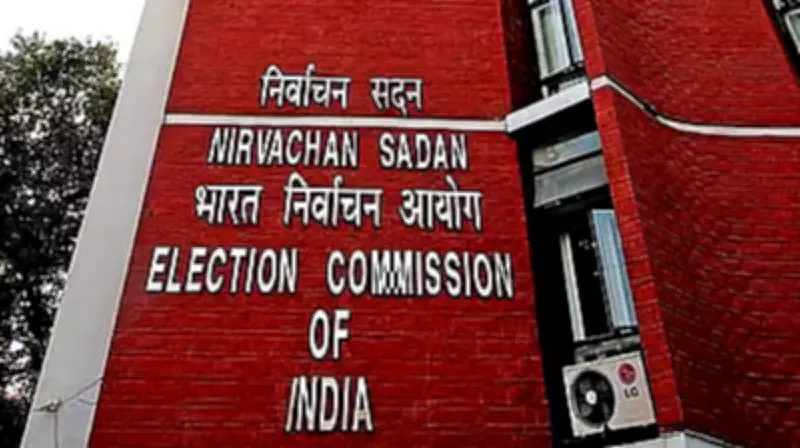
Election Commission Mandates Civic Police Confinement Ahead of West Bengal Polls
The Election Commission of India has issued a significant directive concerning the deployment of civic police forces in West Bengal, ordering that all such personnel must be stationed inside barracks before the commencement of the 2026 assembly elections. This move is aimed at ensuring a fair and impartial electoral process by preventing any potential interference or undue influence during the polling phases.
Timing of the Directive
The order was released on April 20, 2026, at 16:57 IST, just three days prior to the first phase of polling scheduled for April 23, 2026. Additionally, it comes nine days before the second phase of voting, which is set to take place on April 29, 2026. This timing underscores the EC's urgency in implementing measures to maintain law and order and uphold the integrity of the democratic exercise.
Background and Implications
Civic police, often involved in local law enforcement and crowd control, have been a point of contention in previous elections due to concerns over their neutrality. By confining them to barracks, the Election Commission seeks to minimize any risks of partisan behavior or intimidation tactics that could affect voter turnout or influence results. This step is part of a broader strategy to enforce the Model Code of Conduct and ensure a level playing field for all political parties contesting in the West Bengal Assembly Elections 2026.

- All civic police personnel must remain within designated barracks until further notice.
- The directive applies to both phases of polling to prevent any last-minute disruptions.
- Compliance will be monitored by election observers and local authorities to enforce adherence.
This action reflects the EC's proactive approach in addressing potential security challenges and maintaining public trust in the electoral process. As West Bengal prepares for a highly anticipated election, such measures are crucial for safeguarding democratic principles and ensuring that voters can cast their ballots without fear or favor.






