

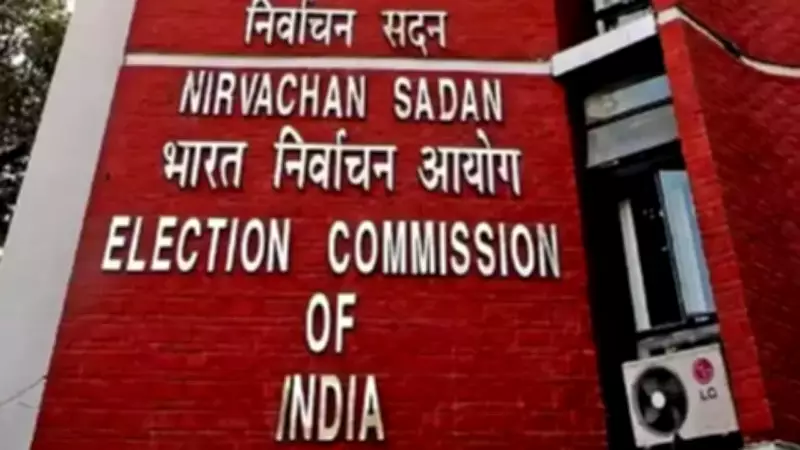
Election Commission Reports Massive Seizures of Poll Inducements in West Bengal and Tamil Nadu
The Election Commission of India announced on Wednesday that seizures of poll-related inducements in West Bengal and Tamil Nadu have surpassed the staggering Rs 1,000 crore mark as assembly elections and bye-elections are currently underway. According to the Commission, enforcement agencies have recovered a total of Rs 1,072.13 crore worth of items intended to influence voters, highlighting significant efforts to curb electoral malpractices.
Breakdown of Seized Items and State-Wise Figures
In a detailed press release, the poll body outlined that the seizures, which occurred after the activation of the Election Seizure Management System (ESMS) on February 26, included a wide array of materials. The recovered items comprise:
- Cash amounting to Rs 127.67 crore
- Approximately 41,000 litres of liquor valued at Rs 106.3 crore
- Drugs worth Rs 184.83 crore
- Precious metals such as gold and silver valued at Rs 215.19 crore
- Freebies and other inducements worth Rs 437.97 crore
A state-wise analysis reveals that Tamil Nadu reported higher seizures at Rs 599.24 crore, while West Bengal accounted for Rs 472.89 crore. The Commission emphasized that these freebies and allurements were specifically aimed at swaying voter decisions, underscoring the critical need for stringent enforcement during the electoral process.

Enhanced Surveillance and Enforcement Mechanisms
To ensure that elections remain free from inducements and intimidation, the Election Commission has implemented extensive surveillance and enforcement measures. Over 5,011 Flying Squad Teams have been deployed across the two states, with 2,728 in West Bengal and 2,283 in Tamil Nadu, tasked with responding to complaints within 100 minutes. Additionally, more than 5,363 Static Surveillance Teams have been stationed at key locations to conduct surprise checks and establish nakas, bolstering the Commission's proactive approach.
The poll body has conducted multiple review meetings with chief secretaries, directors general of police, chief electoral officers, and other senior officials, directing them to uphold violence-free, intimidation-free, and inducement-free elections in strict adherence to the Model Code of Conduct. Simultaneously, the Commission has stressed that enforcement actions should not cause inconvenience to ordinary citizens, leading to the establishment of District Grievance Committees to address complaints from checks and inspections.
Citizen Participation and Monitoring Initiatives
In a push for participatory monitoring, the Election Commission has urged citizens and political parties to report violations of the Model Code of Conduct through the C-Vigil module on ECINET. This initiative reinforces the Commission's commitment to transparency and accountability, encouraging active involvement from the public to maintain the integrity of the electoral process. As elections progress, these measures aim to foster a fair and democratic environment, ensuring that voter choices are not compromised by illicit inducements.






