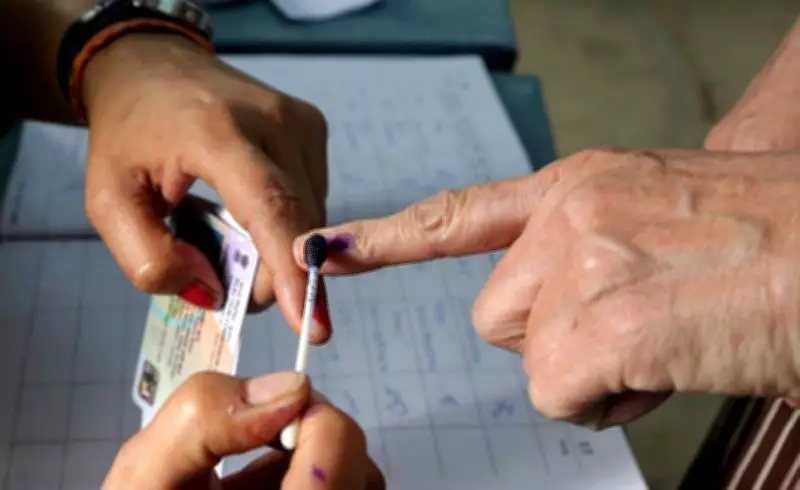
Election Commission to Decide on Holding Polls in Four States Under Compact Schedule
The Election Commission of India (ECI) is poised to make a crucial decision regarding the conduct of assembly elections in four states, with plans to implement a compact schedule. This move aims to streamline the electoral process, reduce logistical challenges, and ensure a smooth transition of governance. The decision is expected to have significant implications for the political landscape in these states, as it could influence voter turnout and campaign strategies.
Background and Rationale for Compact Schedule
In recent years, the Election Commission has been exploring ways to optimize the election process to enhance efficiency and reduce costs. A compact schedule involves holding polls in multiple states within a shorter timeframe, minimizing disruptions and allowing for better resource allocation. This approach is particularly relevant for the four states in question, where assembly terms are nearing their end, necessitating timely elections to uphold democratic norms.
The compact schedule is designed to address various challenges, such as security arrangements, deployment of polling personnel, and management of election materials. By consolidating the polling dates, the ECI aims to ensure that elections are conducted in a fair and transparent manner, while also considering factors like weather conditions and local festivals that might impact voter participation.

Potential Impact on States and Political Parties
The decision to hold elections under a compact schedule could significantly affect the political dynamics in the four states. Political parties will need to adapt their campaign strategies to the condensed timeline, potentially leading to more focused and intense campaigning. This may also influence voter engagement, as a shorter election period could heighten public interest and awareness.
Moreover, the compact schedule is expected to facilitate better coordination among various stakeholders, including law enforcement agencies, election officials, and political parties. This collaborative approach is crucial for maintaining law and order during the polls and ensuring that the electoral process is free from malpractices.
Challenges and Considerations
While the compact schedule offers several advantages, it also presents certain challenges. The Election Commission must carefully assess the logistical requirements, such as the availability of electronic voting machines (EVMs) and voter-verified paper audit trails (VVPATs), to avoid any technical glitches. Additionally, the ECI needs to consider the geographical and demographic diversity of the states, which might require tailored approaches to polling booth management and voter accessibility.
Another key consideration is the potential impact on voter turnout. A compact schedule could either boost participation by creating a sense of urgency or deter voters due to overlapping events. The Election Commission is likely to conduct extensive consultations with state governments and political parties to address these concerns and ensure that the elections are inclusive and representative.
Future Implications and Conclusion
The Election Commission's decision on the compact schedule for polls in four states is a significant step towards modernizing India's electoral system. If implemented successfully, it could set a precedent for future elections, promoting efficiency and cost-effectiveness. This move aligns with the ECI's broader goals of enhancing electoral integrity and fostering democratic participation.
In conclusion, the Election Commission's upcoming decision is eagerly awaited by political observers and citizens alike. By opting for a compact schedule, the ECI aims to uphold the principles of democracy while adapting to contemporary challenges. The outcome of this decision will not only shape the political future of the four states but also contribute to the evolution of India's electoral practices.