EVM Opacity Raises Concerns
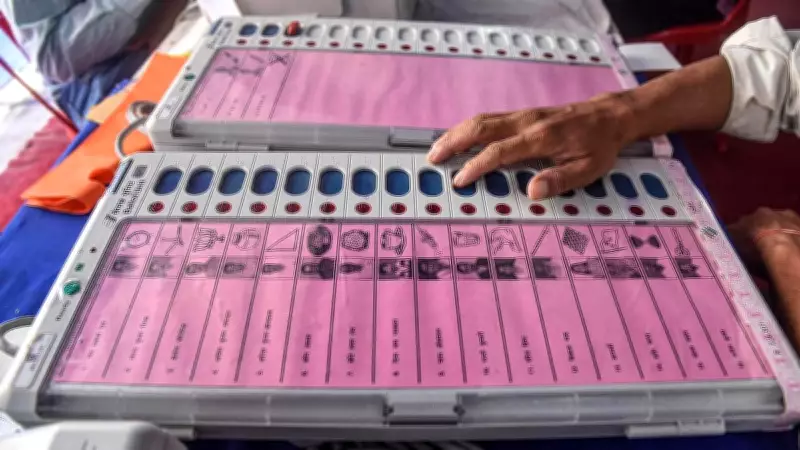
In a recent opinion piece, Venkatesh Nayak argues that the opacity surrounding Electronic Voting Machines (EVMs) in India is deepening, undermining public trust in the electoral process. He asserts that except for voters’ records and their choice of candidates, all information about EVMs ought to be in the public domain.
Key Arguments for Transparency
Nayak contends that the current lack of transparency regarding EVM software, hardware, and testing procedures creates an environment of suspicion. He emphasizes that voters have a right to know how their votes are recorded and counted, and that independent scrutiny is essential for electoral integrity.
- Full disclosure of EVM source code and technical specifications.
- Independent audits and public access to testing results.
- Clear protocols for handling discrepancies or malfunctions.
Impact on Electoral Trust
The author warns that without greater openness, the credibility of election outcomes may be questioned. He calls for electoral reforms that prioritize transparency, stating that democracy thrives on informed consent and verifiable processes.

According to Nayak, the Election Commission must take proactive steps to demystify EVMs and engage with civil society to restore confidence. The piece concludes by urging policymakers to treat EVM transparency as a non-negotiable aspect of democratic governance.