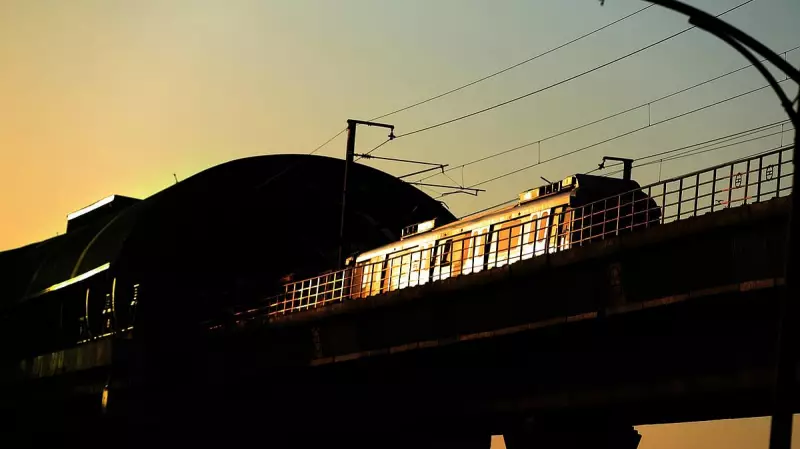
In a significant move highlighting cultural representation, former Member of Parliament Tarlochan Singh has formally approached Delhi Chief Minister Arvind Kejriwal with a unique request. The veteran politician has urged the city's administration to rename four stations of the Delhi Metro network after historic Sikh gurdwaras.
The Formal Appeal for Recognition
Tarlochan Singh, a former Congress MP, submitted a written appeal to the Chief Minister's office. His letter capitalizes on recent reports indicating that the Delhi government is poised to make decisions regarding the naming of various metro stations across the capital. In his communication, Singh pointed out a notable omission in the capital's urban landscape: despite Delhi's rich Sikh heritage, no metro station currently bears the name of a historically significant Sikh gurdwara.
Addressing a Historical Gap
The proposal seeks to rectify what Singh perceives as a gap in the city's commemorative infrastructure. By naming metro stations after these revered places of worship, the initiative aims to acknowledge and honor the profound contributions and history of the Sikh community within the national capital. The move is seen as more than just a symbolic gesture; it is a step towards inclusive urban planning that reflects the diverse tapestry of India's culture and history.

The appeal was made public on January 2, 2026, bringing the matter into the spotlight for public discourse. While the specific names of the four gurdwaras or the exact metro stations proposed for renaming were not detailed in the initial report, the core request is clear: to integrate important religious and historical landmarks into the daily commute of millions of Delhiites.
Potential Impact and Next Steps
This request now places the ball in the court of the Delhi government, led by Chief Minister Arvind Kejriwal. The government's response and subsequent decision will be closely watched by community leaders and political observers alike. If accepted, the renaming would set a precedent for how public transport infrastructure can be used to celebrate India's multifaceted heritage. It underscores the ongoing conversation about representation and identity in public spaces within one of the world's largest metro networks.
The development adds a new dimension to the governance of Delhi, intertwining urban policy with cultural recognition. As the city continues to expand, such proposals highlight the importance of ensuring its growth is mindful of the historical and spiritual landmarks that define its character for various communities.