

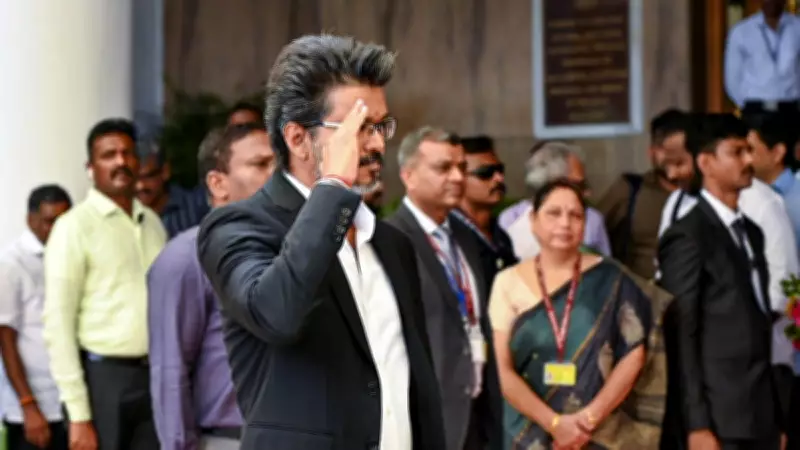
Joseph Vijay, the popular actor turned politician, is steadily reshaping his public identity as Chief Minister of Tamil Nadu. His recent visit to a prominent temple, while personal in nature, marks a visible departure from the political culture associated with the DMK’s traditional rationalist posture.
A Shift in Political Culture
Vijay’s temple visit is being interpreted as a strategic move to connect with the state’s deeply religious populace. Unlike his predecessors from the DMK, who often emphasized atheism and scientific temper, Vijay is blending faith with governance. This evolution reflects a broader trend in Indian politics where leaders adopt religious symbolism to consolidate support.
Public Reactions and Analysis
Political analysts note that Vijay’s actions are carefully calibrated. By participating in religious rituals, he signals inclusivity and respect for tradition, which could help him appeal to a wider voter base. However, critics argue that this shift may alienate the DMK’s core secular supporters.

- Personal Faith: Vijay has often spoken about his spiritual beliefs, but this is the first time he has openly merged them with his political role.
- Strategic Messaging: The visit was widely covered in media, suggesting a deliberate effort to project a new image.
- Historical Context: Tamil Nadu has a long history of rationalist politics, making this move particularly significant.
Implications for Governance
As Chief Minister, Vijay’s evolving identity could influence policy decisions. His emphasis on faith may lead to increased funding for religious institutions or festivals. At the same time, he must balance this with the state’s progressive policies on social justice and education.
Future Outlook
Observers believe that Vijay’s approach could redefine Tamil Nadu politics. By combining star power with religious symbolism, he is creating a unique political brand. Whether this will translate into long-term electoral success remains to be seen, but for now, Vijay is successfully navigating the complex interplay of faith, politics, and power.






