Government Releases Comprehensive FAQs on Women's Reservation Bill
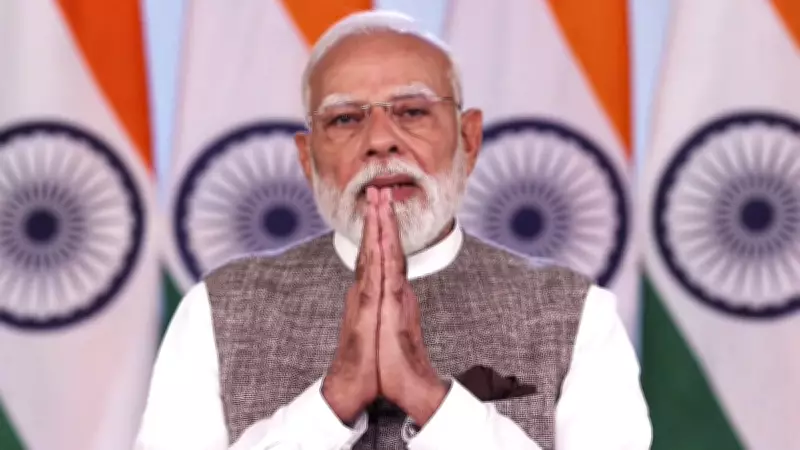
The Narendra Modi-led government has officially released a set of Frequently Asked Questions (FAQs) aimed at providing clarity and transparency regarding the implementation of the Women's Reservation Bill. This significant move comes at a crucial time as political discussions intensify around the landmark legislation designed to enhance female representation in India's legislative bodies.
Addressing Opposition Allegations on Delimitation
The publication of these FAQs directly responds to mounting claims from opposition parties, which have alleged that the government is attempting to conduct delimitation exercises based solely on the 2011 census data under the guise of implementing women's reservation. Delimitation, the process of redrawing electoral constituency boundaries, is a sensitive issue with far-reaching implications for political representation across states.
According to government sources, the FAQs meticulously outline the procedural framework and constitutional safeguards that will govern the implementation of the Women's Reservation Bill. The document emphasizes that all processes will adhere to established legal protocols and parliamentary procedures, ensuring no unilateral actions are taken regarding delimitation or census data utilization.

Key Points Clarified in the Government FAQs
The comprehensive FAQ document addresses several critical aspects of the Women's Reservation Bill implementation:
- The constitutional basis for women's reservation and its alignment with existing electoral laws
- The proposed timeline for implementation across Lok Sabha and state legislative assemblies
- Mechanisms for ensuring fair representation across different states and union territories
- Procedural safeguards against arbitrary delimitation exercises
- Transparency measures in the reservation allocation process
Political observers note that the timing of this FAQ release is particularly significant, coming amid heated parliamentary debates about the bill's implementation roadmap. The opposition has consistently raised concerns that using 2011 census data for delimitation could disadvantage states that have experienced significant population changes since that enumeration.
Broader Implications for Indian Democracy
The Women's Reservation Bill represents one of the most substantial electoral reforms in recent Indian history, promising to reserve one-third of seats in the Lok Sabha and state legislative assemblies for women. The government's decision to publish detailed FAQs demonstrates a commitment to addressing legitimate concerns while moving forward with this transformative legislation.
As the political discourse continues to evolve, these clarifications provide stakeholders across the political spectrum with a clearer understanding of how the reservation system will function in practice. The document reaffirms the government's position that the Women's Reservation Bill will be implemented through constitutional means with proper parliamentary oversight, rather than through executive fiat or unilateral delimitation exercises.