

The All India Agricultural Workers Union (AIAWU) has raised a strong objection to a central government directive for holding special village council meetings to explain a new employment scheme. The union has called upon its members to actively attend these meetings but to oppose the proposed legislation and instead demand the continuation of the existing rural jobs guarantee program.
Union Issues Circular Against New Act
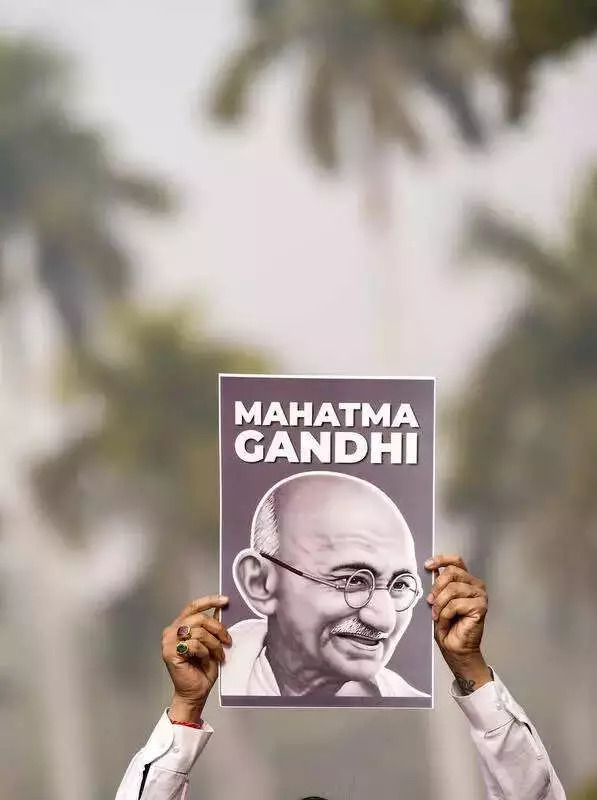
Expressing deep concern, the AIAWU has issued a circular stating that the VB GRAMG Act, 2025 is not merely a change in name. The union asserts that the new law aims to completely uproot the Mahatma Gandhi National Rural Employment Guarantee Act (MGNREGA) and its foundational principle of providing employment based on demand in rural India. The directive in question was released by the Union rural development and panchayati raj ministries, asking state chief secretaries to conduct 'special gram sabhas' to explain the provisions of the VB GRAMG Act.
Plan of Action for Grassroots Opposition
The AIAWU has laid out a detailed strategy for its cadres to counter the government's move. Workers have been instructed to meet their local panchayat presidents or sarpanches before the scheduled gram sabhas. They are to submit a note or a formal resolution that opposes the VB GRAMG Act and demands the restoration of MGNREGA. The cadres have been asked to request these office bearers to place this resolution on the agenda for discussion during the village meetings.

Furthermore, union members are urged to try and convince the gram sabhas to pass the anti-VB GRAMG resolution. They are also preparing to speak openly in these forums about what they term the 'actual nature' of the new Gramin Act. The core of their argument is that the VB GRAMG Act transforms a legally binding employment guarantee into a centralized discretionary system. They claim it places fund allocation power solely with the central government while shifting the burden of handling employment demand onto state governments.
Protests and Effigy Burning Planned Statewide
The opposition is not limited to verbal dissent in meetings. The Punjab chapter of the Kisan Mazdoor Morcha has decided to escalate the protest. They have announced plans to burn effigies of the VB GRAMG Act across Punjab on December 29, simultaneously demanding the restoration of MGNREGA. Another collective, the Sanjha Morcha of rural and agricultural workers' organisations, has also voiced opposition to the directive for holding gram sabhas on December 26. They have announced their intention to stage protests in villages across the state on that very day.
These groups have criticized the government's move, stating it could create unnecessary divisions between village councils and the rural workforce they represent. The brewing discontent highlights a significant clash over the future of India's rural employment policy, with workers' unions firmly defending the demand-driven framework of MGNREGA against the proposed new model.






