

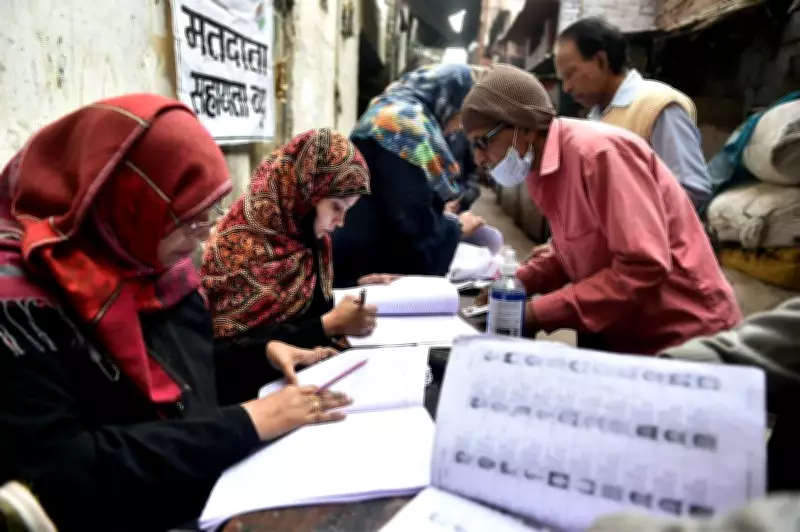
First Phase of West Bengal Assembly Elections Underway
Polling has officially begun for the first phase of the West Bengal Assembly elections, marking a significant moment in the state's political calendar. This initial stage covers a total of 152 assembly seats spread across 30 constituencies, setting the tone for the multi-phase electoral process.
Scope and Scale of the First Phase
The commencement of voting sees a substantial portion of the state's electorate heading to the polls. The 152 seats in this phase represent a critical segment of the 294-member West Bengal Legislative Assembly. Elections are being conducted with strict adherence to COVID-19 protocols to ensure voter safety and participation.
Key details of this phase include:

- Polling stations have been set up across the designated constituencies, equipped with necessary facilities.
- Security arrangements have been heightened to maintain law and order during the voting process.
- The Election Commission of India is overseeing the proceedings to ensure a free and fair election.
Political Significance and Context
This first phase is pivotal as it involves seats from regions that have historically influenced the state's political outcomes. The results from these 152 seats will provide early indicators of voter sentiment and could shape the strategies for subsequent phases.
The elections in West Bengal are closely watched nationally, given the state's importance in Indian politics. The ruling party and opposition are both vying for dominance, making this phase a crucial battleground.
Voter turnout is being monitored closely, with expectations of robust participation despite the challenges posed by the pandemic. The phase includes constituencies from various districts, reflecting the diverse demographic and political landscape of West Bengal.
Looking Ahead
As polling progresses, all eyes are on the electoral process, with results expected to be declared after the completion of all phases. The first phase sets the stage for what promises to be a closely contested election, with implications for the state's governance and political future.
The successful conduct of this phase will be key to ensuring a smooth electoral process in the coming stages, reinforcing democratic values in one of India's most politically vibrant states.






