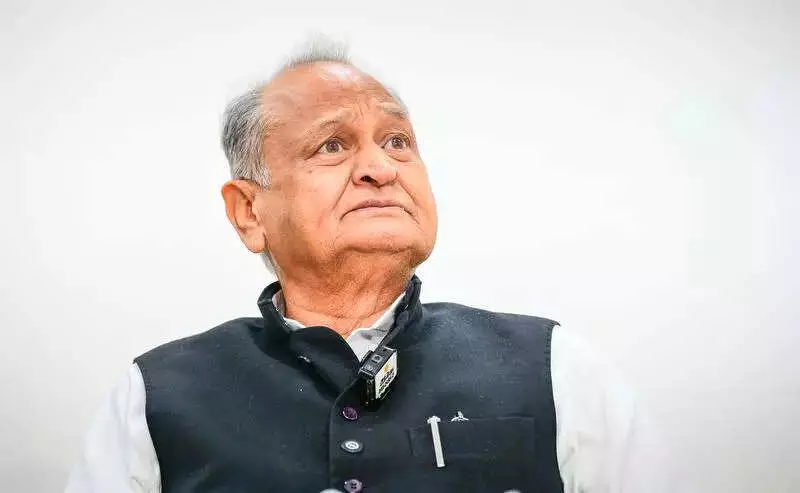
Former Rajasthan Chief Minister Ashok Gehlot launched a sharp critique on Monday against the ruling NDA government's proposed move to rename the flagship rural jobs scheme, the Mahatma Gandhi National Rural Employment Guarantee Act (MGNREGA). He termed the decision as evidence of a "petty mindset" and a sign of disrespect towards Mahatma Gandhi.
A Fundamental Shift in a Landmark Scheme
The controversy stems from the Union government's proposal to repeal the existing MGNREGA legislation. It plans to replace it with a new bill titled the Viksit Bharat Guarantee for Rozgar and Ajeevika Mission (Gramin) Bill, 2025. This move represents a fundamental structural change to one of the world's largest social welfare programs.
Gehlot highlighted the government's shifting stance, noting that it first floated the name 'Pujya Bapu' for the scheme. After facing public embarrassment and backlash, it is now attempting to impose the 'Viksit Bharat' name. "Since Independence, all heads of state visiting India pay tribute at Rajghat, which shows Gandhiji's stature on the world stage," Gehlot stated. He added, "On the other hand, it is ironic that there is a conspiracy to erase him in his own country."

Global Stature vs. Domestic 'Conspiracy'
The Congress leader underscored the international reverence for Gandhi to contrast the government's actions. He pointed out that the United Nations observes International Day of Non-violence every year on October 2, Gandhi's birth anniversary, as a global tribute. "Such acts suggest that BJP does not believe in non-violence," Gehlot asserted, linking the renaming to a broader ideological divergence from Gandhian principles.
Gehlot demanded that the government immediately reconsider this decision. His criticism adds a significant political voice to the growing dissent against the proposed legislative change.
Civil Society Echoes Concerns Over Workers' Rights
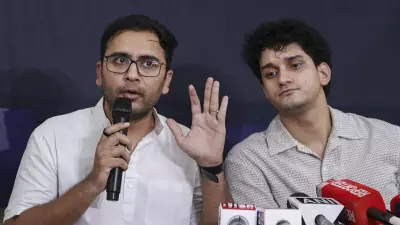
The political opposition found support from civil society groups. The NREGA Sangharsh Morcha, a collective of workers and activists, strongly condemned the proposed renaming and the new bill. The group criticized the lack of consultation in the process, stating the bill was "introduced without any consultation with workers and workers' groups."
Their statement highlighted a deeper concern beyond the symbolic act of renaming. They argued that the new bill represents a fundamental shift from a rights-based law. The original MGNREGA provides an enforceable legal entitlement to work. The Morcha fears the replacement will turn it into a "budget-constrained scheme without any accountability of the Centre," potentially weakening the guarantee and security it offers to rural households.
The proposed renaming of MGNREGA has thus ignited a twin firestorm: one over the alleged erasure of Mahatma Gandhi's legacy and another over the potential dilution of a critical social safety net for millions of Indians. The government's next steps will be closely watched as it navigates this political and ideological challenge.