

Government Withdraws Planned Motion Against Rahul Gandhi in Parliament Controversy
In a significant development in Indian parliamentary proceedings, the government has officially withdrawn its planned motion against Congress leader Rahul Gandhi. This decision comes amidst a heated confrontation stemming from Gandhi's recent intervention in the Lok Sabha.
Rijiju's Statement on Parliamentary Procedure
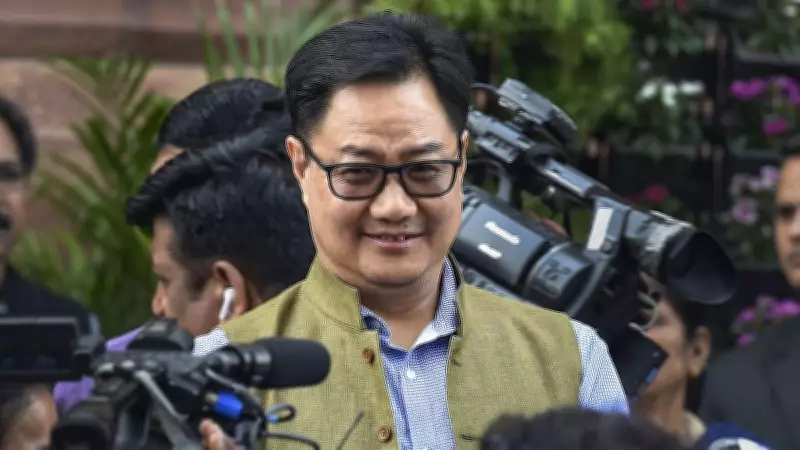
Union Minister Kiren Rijiju addressed the media regarding this matter, stating clearly: "Will decide on privilege or ethics panel after Speaker's nod." This statement indicates that while the immediate motion has been dropped, the government reserves the right to pursue the matter through appropriate parliamentary channels once the Speaker provides guidance.
Rijiju emphasized that any further action would strictly follow established parliamentary protocols and respect the Speaker's authority in maintaining decorum within the House.

The Root of the Parliamentary Confrontation
The controversy originated during a recent Parliament session when Rahul Gandhi quoted excerpts from an unpublished book reportedly authored by a former Army Chief. This action prompted immediate intervention from the Speaker, who issued a ruling barring the use of unpublished material during parliamentary debates.
The government initially responded by preparing a motion against Gandhi for what it perceived as a violation of parliamentary rules. However, in a strategic shift, the administration has now decided to withdraw this motion while keeping other options open.
Parliamentary Privilege and Ethics Considerations
The situation raises important questions about parliamentary privilege and ethical conduct:
- Privilege Motion: This parliamentary tool allows members to raise issues concerning breaches of privilege
- Ethics Committee: An alternative mechanism for addressing concerns about member conduct
- Speaker's Authority: The presiding officer's role in interpreting and enforcing parliamentary rules
- Unpublished Material: The specific prohibition against using non-public documents in debates
Political Implications and Next Steps
This development occurs against the backdrop of ongoing political tensions between the ruling party and opposition. The government's decision to withdraw the motion while maintaining the option for future action represents a nuanced approach to parliamentary conflict resolution.
Observers note several potential outcomes:
- The Speaker may provide clear guidance on handling similar situations in the future
- The matter could be referred to the Ethics Committee for formal review
- Both sides might seek to establish clearer protocols for using external materials in debates
- The incident could influence how opposition members approach future parliamentary interventions
As the situation develops, all eyes remain on Parliament's procedures and the Speaker's forthcoming decisions regarding appropriate next steps in this parliamentary matter.






