

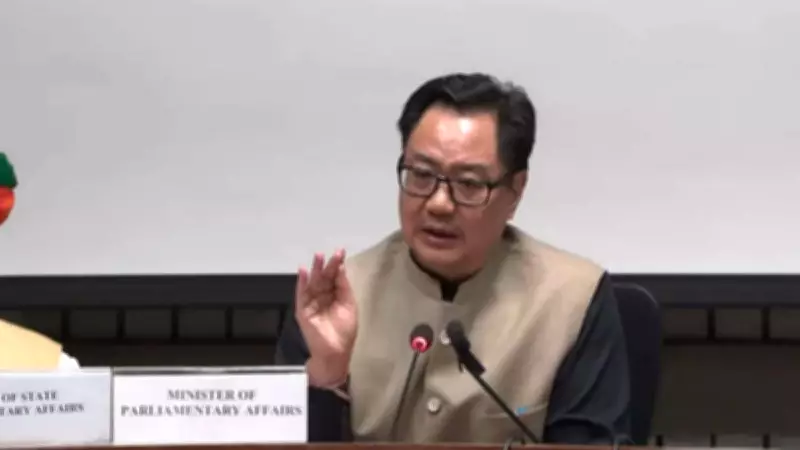
Government Condemns Congress Over Women's Quota Bill Setback in Lok Sabha
The Indian government has launched a sharp rebuke against the Congress party, alleging it demonstrates an anti-women mentality after the Women's Reservation Bill failed to pass in the Lok Sabha. This legislative setback has ignited a fierce political confrontation, with the ruling administration accusing the opposition of obstructing progress on gender equality in parliamentary representation.
Details of the Bill's Failure and Political Fallout
The Women's Reservation Bill, which aims to reserve 33% of seats in the Lok Sabha and state legislative assemblies for women, faced significant opposition during parliamentary proceedings. According to government sources, the bill's failure was primarily due to resistance from Congress and other opposition parties, who raised procedural and substantive objections that stalled its passage.
In response, government spokespersons have publicly condemned the Congress, stating that their actions reveal a deep-seated disregard for women's empowerment. "This shows the Congress's anti-women mentality," a senior government official asserted, emphasizing that the opposition's stance undermines efforts to enhance female participation in India's democratic processes.

Broader Implications for Gender Equality and Governance
The controversy surrounding the Women's Quota Bill highlights ongoing challenges in achieving gender parity in Indian politics. Proponents argue that such legislation is crucial for:
- Increasing women's representation in decision-making bodies
- Addressing systemic barriers that limit female political participation
- Fostering more inclusive and diverse governance structures
However, critics, including some within the opposition, contend that the bill requires further refinement to ensure it effectively serves its intended purpose without unintended consequences. The government's strong reaction suggests that this issue will remain a focal point in political discourse, potentially influencing future legislative efforts and electoral strategies.
As the debate intensifies, analysts predict that the failure of the Women's Reservation Bill could lead to renewed calls for bipartisan cooperation or, conversely, deepen existing political divisions. The government's accusation against the Congress party underscores the high stakes involved in advancing women's rights through parliamentary means in India.






