Government Firm on Parliamentary Agenda, Rejects Opposition Demands
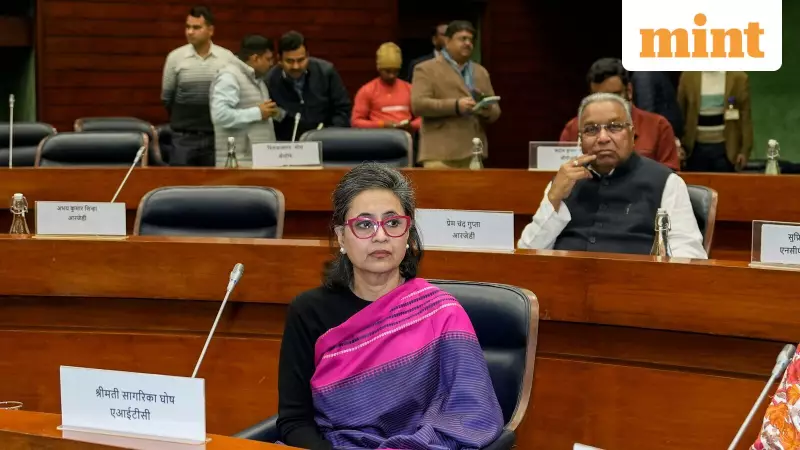
As the crucial Budget session of Parliament commences, the Narendra Modi-led Union government has firmly turned down opposition demands for discussions on two contentious issues: the VB-G RAM G Act and the Special Intensive Revision (SIR) of electoral rolls. Parliamentary Affairs Minister Kiren Rijiju made the government's position clear following an all-party meeting convened on the eve of the session.
Previous Debates Cited as Reason for Rejection
Minister Rijiju emphasized that both matters had already undergone extensive debate in both Houses of Parliament during previous sessions. "We cannot reverse the gear," Rijiju stated categorically, referring particularly to the VB-G RAM G Act which was passed during the Winter Session. The minister elaborated that "once a law is before the nation, we have to follow it", indicating the government's stance that reopening these discussions would be counterproductive.
Opposition's Comprehensive List of Concerns
During the all-party meeting, opposition members presented a wide array of issues they wished to address during the Budget session. According to sources, these included:

- The Special Intensive Revision (SIR) of electoral rolls
- The VB-G RAM G law on employment guarantee that replaced the MGNREGA scheme
- Tariffs imposed by the United States on Indian products
- Various foreign policy matters
- The persistent issue of air pollution across the country
- The current state of the Indian economy
- Proposed bans on social media access for early teenagers
Prominent opposition voices at the meeting included Congress leader Jairam Ramesh and CPI(M) member John Brittas, who also raised objections about the non-circulation of government business for the upcoming session.
Procedural Matters Addressed
Responding to concerns about the lack of shared government business agenda, Rijiju explained that "normally, the list of government business is shared after the President's address". However, demonstrating flexibility, he added, "I am prepared to share the list; I have told officers to do it." The minister downplayed this as a procedural matter, emphasizing that "running the House smoothly remains the focus" of the government's approach to the session.
Specific Response to Electoral Roll Concerns
Addressing the opposition's particular demand for discussion on the Special Intensive Revision of electoral rolls, especially concerning West Bengal, Rijiju recalled that "both Houses of Parliament had extensive discussions on electoral reforms in the last session". He noted that this specific issue had been raised by opposition members during those debates, making further discussion "uncalled for" in the government's view.
Appeal for Orderly Parliamentary Conduct
In a broader appeal to all parliamentarians, Minister Rijiju stressed the importance of maintaining decorum while exercising democratic rights. "My sincere appeal on behalf of the government to all honourable members is that in our Parliamentary democracy, we have been elected to represent the people and to speak for the people," he stated. The minister emphasized the dual responsibility of members to both express their views and listen to those from other political parties.
Rijiju described the previous session's discussions on electoral reforms as "marathon discussions" where "all members were given ample time, and parties exhausted their energy" on these very issues. The government's position remains that these matters have been sufficiently debated, and the current session should focus on the Budget and other pressing legislative business.
The stage is now set for what promises to be a significant Budget session, with the government maintaining a firm stance on its parliamentary agenda while opposition parties seek to raise what they consider crucial national issues.