

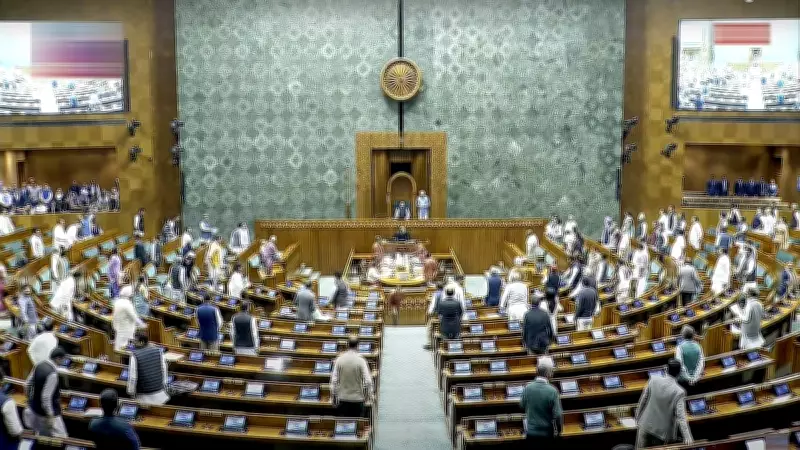
Government Initiates Cross-Party Talks for Women's Reservation Bill Implementation
In a significant move towards gender equality in Indian politics, the central government has formally begun consultations with opposition parties to facilitate the early rollout of the landmark Nari Shakti Vandan Adhiniyam. This legislation mandates a 33% reservation for women in legislative bodies, representing one of the most substantial electoral reforms in recent history.
Minister Rijiju's Parliamentary Announcement
Parliamentary Affairs Minister Kiren Rijiju set the stage for this development last month by publicly declaring that a "critical bill" would be introduced during the second phase of the ongoing Budget Session. While not explicitly naming the legislation at that time, government sources have now confirmed that he was referring specifically to the women's quota implementation framework.
The administration's current outreach represents a strategic effort to build consensus and address potential procedural hurdles before the bill reaches Parliament for final approval. This consultative approach marks a departure from previous legislative processes and underscores the bill's priority status within the government's agenda.

Political Implications and Timeline
The implementation of the 33% women's quota carries profound implications for India's political landscape:
- It would substantially increase women's representation in both the Lok Sabha and state legislative assemblies
- The legislation requires careful consideration of constitutional amendments and delimitation processes
- Opposition parties have historically expressed varied positions on the reservation mechanism
- Early implementation could influence upcoming electoral cycles and party strategies
Government officials have indicated they hope to complete the consultation phase within the current parliamentary session, potentially allowing for introduction and passage before the session concludes. However, the complexity of the legislation means that detailed discussions about implementation timelines, rotation mechanisms, and constituency adjustments remain ongoing.
Historical Context and Legislative Journey
The women's reservation bill has followed a long and contentious path through India's legislative process:
- First introduced in Parliament in 1996, the bill has seen multiple iterations and revisions
- Previous attempts at passage have faced both political opposition and procedural challenges
- The current version represents a renewed commitment to gender parity in political representation
- Successful implementation would position India among nations with the most progressive gender quotas in politics
The Modi government's current push for the legislation aligns with broader initiatives aimed at women's empowerment across various sectors of Indian society. The Nari Shakti Vandan Adhiniyam specifically addresses the persistent underrepresentation of women in decision-making bodies despite their significant demographic presence and contributions to national development.
As consultations progress, political observers will be closely monitoring the responses from key opposition figures including Congress President Mallikarjun Kharge and other party leaders whose support could prove crucial for smooth parliamentary passage. The government's willingness to seek opposition input at this stage suggests a recognition of the bill's constitutional significance and the need for broad-based political consensus on such a transformative measure.






