

Union Government Introduces Three Bills to Amend Women's Quota Law and Form Delimitation Panel
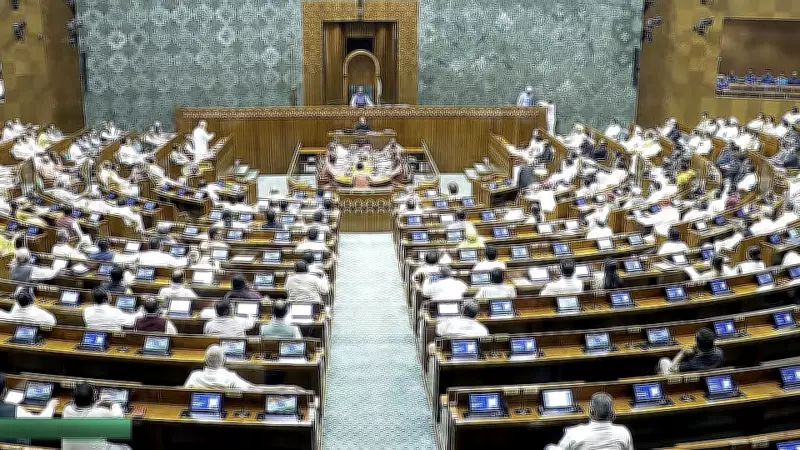
The Union Government has taken a significant legislative step by tabling three crucial bills in the Lok Sabha. These bills are designed to tweak the existing women's reservation law and establish a delimitation commission, marking a pivotal moment in India's parliamentary proceedings.
Key Provisions of the Bills
The proposed legislation aims to modify the framework for women's reservation in legislatures, ensuring greater gender representation. Simultaneously, it seeks to set up a delimitation panel, which will be responsible for redrawing electoral boundaries based on updated demographic data. This dual approach addresses both social equity and electoral fairness in one comprehensive move.
Opposition's Stance on the Delimitation Provisions
In a notable development, several opposition parties have reached a consensus to jointly oppose the delimitation-related provisions included in the amendment. Despite this opposition, they have reaffirmed their unwavering support for the principle of women's reservation in legislatures. This nuanced position highlights the political complexities surrounding electoral reforms and gender parity in governance.

Implications for Legislative Processes
The introduction of these bills is expected to spark extensive debates in the Lok Sabha, as lawmakers grapple with the balance between enhancing women's political participation and managing the technical aspects of delimitation. The outcome could significantly influence future electoral dynamics and the representation of women in Indian politics.






