

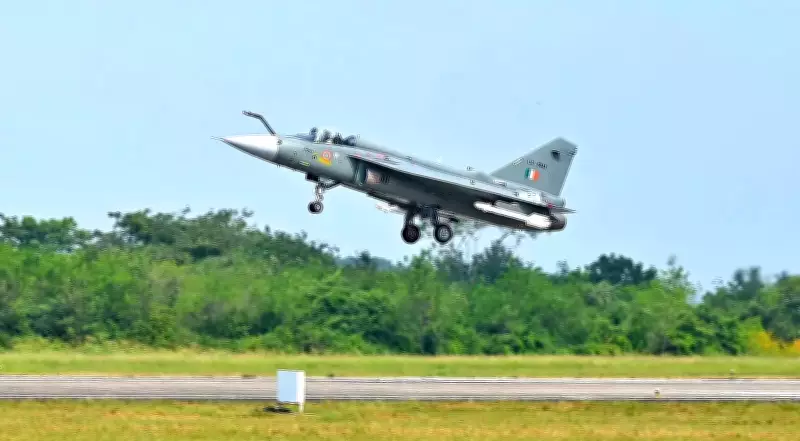
In a significant development for India's defence manufacturing sector, Bengaluru-based defence public sector undertaking Hindustan Aeronautics Limited (HAL) has officially declared that five LCA-Mk1A (Tejas-Mk1A) fighter aircraft are now fully prepared for delivery to the Indian Air Force (IAF). The announcement, made on Thursday, comes as the company addresses ongoing concerns regarding potential delays in its ambitious fighter jet program.
Current Status of Tejas-Mk1A Production
According to HAL's detailed statement, the five aircraft that are ready for handover incorporate all major contracted capabilities and strictly adhere to the agreed-upon specifications. These fighters represent a crucial milestone in India's quest for self-reliance in defence aviation.
Beyond these five aircraft, HAL has revealed that nine additional Tejas-Mk1A jets have already been manufactured and successfully flown. However, these nine aircraft are currently awaiting the delivery of engines from American aerospace giant General Electric (GE) before they can be prepared for formal handover to the IAF.

Engine Supply Situation and Future Projections
HAL has described the current engine supply position as "positive", noting that the company has received five engines from GE so far. The defence manufacturer expressed confidence that future deliveries from GE will align with HAL's production schedule, ensuring a smoother workflow moving forward.
As per existing timelines, HAL is expected to deliver the five ready fighters to the Indian Air Force by March 31. While the company did not specify any revised timeline for the remaining aircraft, officials indicated that progress would largely depend on the steady arrival of engines from General Electric.
Background on Tejas-Mk1A Program and IAF Orders
The Tejas-Mk1A represents an upgraded version of the original Tejas fighter, featuring significant improvements in avionics, radar systems, and maintainability features. This advanced fighter is central to the IAF's modernization efforts, designed to replace ageing MiG-21 squadrons while simultaneously strengthening India's domestic manufacturing capabilities.
The Indian Air Force has placed substantial orders for the aircraft, beginning with a contract for 83 Tejas fighters in February 2021 valued at approximately Rs 46,898 crore. More recently, in September 2025, the IAF placed an additional order for 97 Tejas aircraft under a contract worth Rs 66,500 crore.
Engine Supply Agreement and Strategic Planning
In November 2025, HAL entered into a comprehensive agreement with General Electric for the supply of 113 F404-GE-IN20 engines along with a support package. This agreement specifically supports the execution of the 97 LCA-Mk1A contract with the Indian Air Force.
HAL Chairman and Managing Director DK Sunil emphasized the strategic importance of this engine contract during discussions with media representatives. "This is the most important contract we have signed," Sunil stated, highlighting that engines typically require the longest lead time in aircraft production.
Reflecting on previous challenges, Sunil noted: "Unlike the previous time when we first ordered 40 and then the remaining in 2021, in between which the firm had stopped production, and there was also Covid... Keeping that in mind, we started negotiations even before we inked the 97 aircraft with IAF, and were able to close this deal so early."
The supply under the new contract for 113 engines is expected to commence by 2027 and conclude by 2032. HAL leadership has expressed optimism about maintaining this timeline, stating they do not anticipate significant delays in engine deliveries.
Confidence in Meeting Delivery Targets
Despite the complexities of international supply chains and advanced manufacturing processes, HAL remains confident about meeting the delivery guidance projected for the current financial year. The company's statement underscores its commitment to fulfilling its obligations to the Indian Air Force while navigating the challenges of global aerospace partnerships.
This development marks a crucial step forward in India's indigenous fighter aircraft program, demonstrating both the progress made and the challenges that remain in achieving complete self-reliance in defence aviation manufacturing.






