

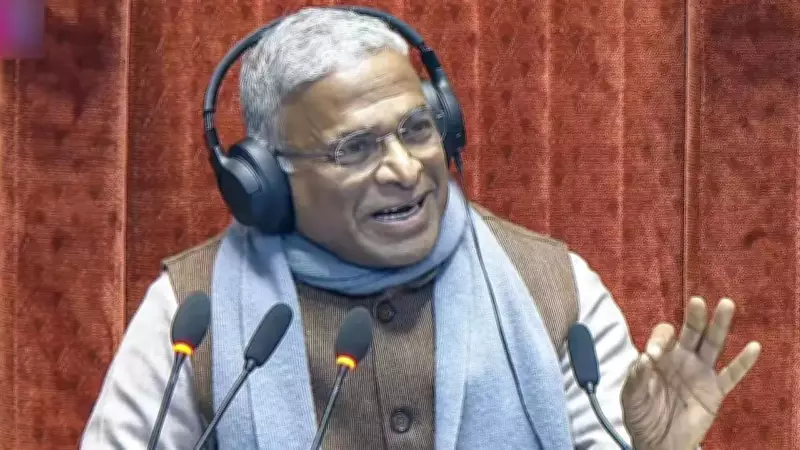
President Droupadi Murmu Nominates Harivansh Narayan Singh to Rajya Sabha
In a significant development for India's Upper House, President Droupadi Murmu has officially nominated Harivansh Narayan Singh to the Rajya Sabha. This move fills the vacancy created by the retirement of former Chief Justice of India, Ranjan Gogoi, ensuring the House maintains its full strength for legislative functions.
Constitutional Basis and Official Notification
The nomination was executed under Article 80(1)(a) of the Indian Constitution, which grants the President the authority to appoint members to the Council of States based on their distinguished contributions to fields such as journalism and social service. An official government notification confirmed this action, stating, "In exercise of the powers conferred by sub-clause (a) of clause (1) of article 80 of the Constitution of India, read with clause (3) of that article, the President is pleased to nominate Shri Harivansh to the Council of States to fill the vacancy caused due to retirement of one of the nominated member."
Continuity in Parliamentary Leadership
This nomination comes immediately after Harivansh's second term as a JD(U) member from Bihar concluded on Thursday. Although his party did not renominate him through the state assembly, the presidential nomination allows the veteran leader to continue his service without any interruption. Harivansh has been serving as the Deputy Chairman of the Rajya Sabha since 2018, bringing extensive experience to his role. Observers note that his re-entry, at 69 years old, will help maintain stability and continuity in the House's operations, particularly during a period of active legislative activity.

Background and Contributions
Before entering politics, Harivansh had a long and distinguished career in journalism and social service, which formed the foundation for his nomination to the Upper House. His contributions in these areas have been widely recognized, aligning with the constitutional criteria for such appointments. His new term is set to run until 2032, securing his involvement in parliamentary functioning for the coming years.
This strategic nomination underscores the importance of experienced leadership in India's legislative processes, ensuring that the Rajya Sabha can effectively address national issues with seasoned guidance.






