

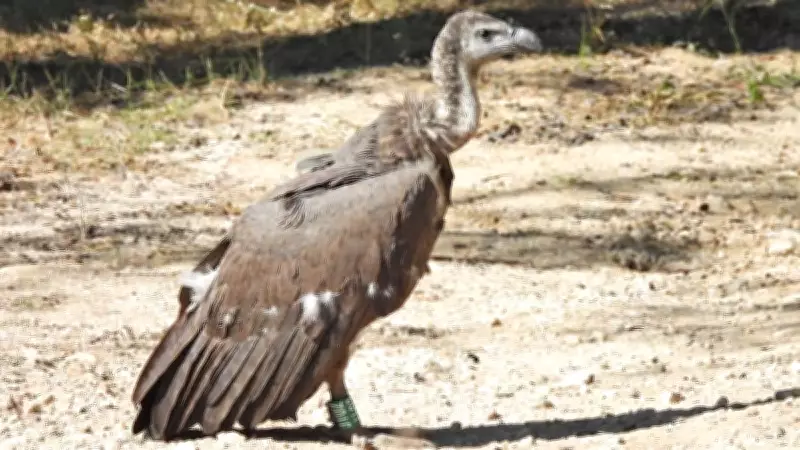
Haryana Intensifies Crackdown on Vulture-Killing Veterinary Drugs
The Haryana government has significantly ramped up its enforcement efforts to combat the use of veterinary drugs, particularly diclofenac, that are responsible for the mass deaths of vultures in the state. This crackdown is part of a broader initiative to protect these critically endangered birds, whose populations have plummeted by over 99% in recent decades due to toxic substances in their food chain.
Targeting Diclofenac and Other Harmful Drugs
Authorities are focusing on diclofenac, a non-steroidal anti-inflammatory drug (NSAID) commonly used in livestock. When vultures consume carcasses of animals treated with diclofenac, it causes fatal kidney failure, leading to rapid population declines. The crackdown involves rigorous inspections of veterinary pharmacies, farms, and livestock markets to ensure compliance with bans on such drugs. Other drugs like aceclofenac and ketoprofen, which have similar toxic effects, are also under scrutiny.
Enforcement Measures and Legal Actions
The state has deployed teams from the Forest Department and Animal Husbandry Department to conduct surprise raids and seize illegal stocks of banned drugs. Offenders face strict penalties, including fines and potential imprisonment, under wildlife protection laws. This proactive approach aims to deter the misuse of veterinary medications and promote safer alternatives, such as meloxicam, which is vulture-safe.

Conservation Impact and National Context
Haryana's efforts align with national conservation strategies, including the Vulture Conservation Action Plan, which seeks to revive vulture populations across India. Vultures play a crucial role in the ecosystem by scavenging carcasses, thus preventing the spread of diseases. The crackdown is expected to not only safeguard vultures but also enhance public health by maintaining ecological balance. Success in Haryana could set a precedent for other states grappling with similar issues.
Challenges and Future Steps
Despite the crackdown, challenges persist, such as lack of awareness among farmers and the availability of illegal drug variants. The government plans to launch awareness campaigns and training programs to educate stakeholders on the dangers of these drugs. Long-term monitoring and international collaboration will be key to ensuring the survival of vulture species in the region.






