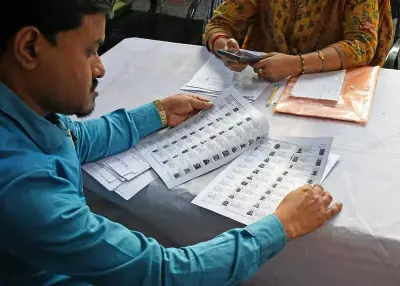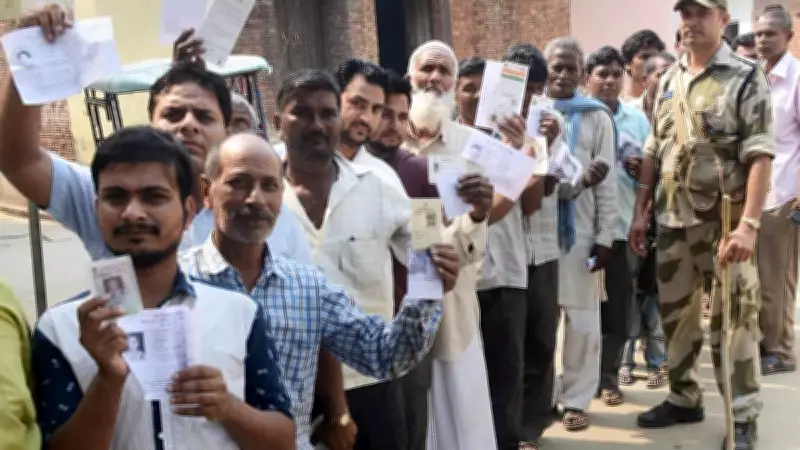
The Special Intensive Revision (SIR) of electoral rolls is underway, with the stated goal of removing duplicate and deceased voters, correcting discrepancies, and adding newly eligible citizens. While the objective is unimpeachable on paper, concerns are being raised about the potential for wrongful deletions that could disenfranchise legitimate voters.
Balancing Accuracy and Inclusion
The Election Commission has emphasized that the revision process is designed to clean up the rolls and ensure accuracy. However, civil society groups and political parties have cautioned that the focus should remain on inclusion rather than deletion. They argue that any errors in the removal process could disproportionately affect marginalized communities, including the poor, migrants, and first-time voters.
Key Measures Under SIR
- Duplicate Removal: Cross-referencing multiple entries to eliminate duplicates.
- Deceased Voters: Verifying death records to remove ineligible names.
- Discrepancy Correction: Fixing spelling errors, address changes, and other inaccuracies.
- New Additions: Enrolling citizens who have turned 18 or relocated.
The process relies on door-to-door verification and data from government databases. Yet, implementation challenges persist, such as incomplete records and lack of awareness among voters.

Expert Recommendations
Electoral experts suggest that the mantra should be 'inclusion, not deletion.' They recommend that deletions be carried out only after thorough verification and with adequate notice to affected individuals. Additionally, the use of technology should be complemented by human oversight to minimize errors.
Political parties have also urged the Election Commission to ensure transparency and provide a mechanism for grievances. The success of the SIR will depend on how well it balances the need for accurate rolls with the fundamental right of every citizen to vote.