India Plans Indigenous Unmanned Combat Search and Rescue Aircraft
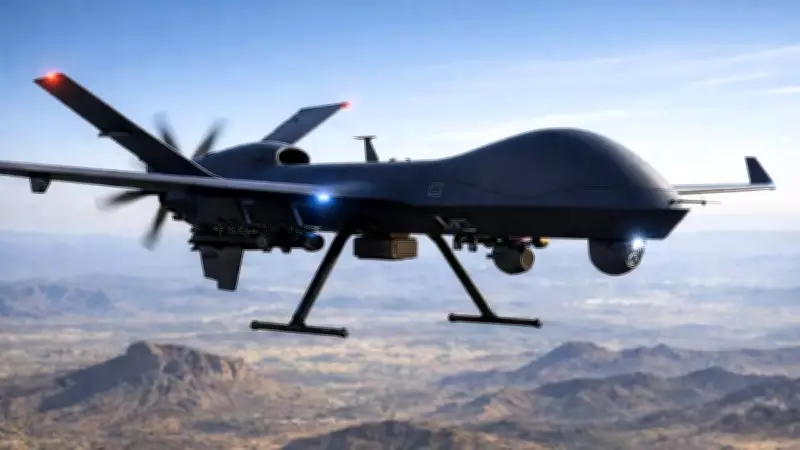
The Indian government is moving forward with plans to design and develop an unmanned combat search and rescue (CSAR) drone specifically for the Indian Air Force. This initiative aims to rescue aircrew in hostile environments without endangering manned aircraft, thereby boosting combat readiness and strengthening India's defense self-reliance.
Advanced Capabilities and Specifications
According to officials, the project has received in-principle approval. The indigenous autonomous system is envisioned as a versatile platform capable of more than just rescue missions. It will also be deployed to transport logistic materials and supplies to forward areas and inhospitable terrains, including snow-bound heights where conventional helicopters often struggle.
The runway-independent UAV is designed to auto-takeoff, navigate, and land, even from unprepared surfaces, and operate in GNSS-denied conditions. It will integrate an Emergency Locator Transmitter (ELT) to search, locate, and land for rescues.

Key specifications include:
- Operational range from sea level to 16,000 feet, with an optional ceiling of 20,000 feet
- Radius of action of at least 200 kilometers
- Loiter time of 45 minutes
- Payload capacity of up to 400 kilograms, including stretchers and four personnel
Indigenous Development and Funding Structure
Structured under the 'Make-I' category, the government will fund 70% of the development costs, with Indian vendors covering the remaining 30%. After successful development, procurement will follow the 'Buy (Indian-IDDM)' route, ensuring at least 50% indigenous content in materials, components, and software. IDDM stands for Indigenously Designed, Developed, and Manufactured.
This project is expected to involve Indian companies with expertise in UAV manufacturing, aviation maintenance, repair, and overhaul (MRO), and defense quality assurance. These firms will benefit from opportunities in design, testing, and production phases.
Strategic Benefits and Future Steps
Officials highlight that the CSAR drone project will reduce foreign dependence, create high-tech jobs for startups and micro, small, and medium enterprises (MSMEs), and add to India's growing fleet of indigenous defense drones. This enhancement is crucial for the Indian Air Force's operational readiness across diverse terrains.
Designed as one of India's most advanced indigenous platforms, the drone combines AI-driven autonomy, all-weather resilience, and combat utility. It will undergo rigorous military airworthiness validation before induction into service.
This initiative marks a significant step in India's defense modernization, focusing on self-reliance and technological innovation in unmanned systems.