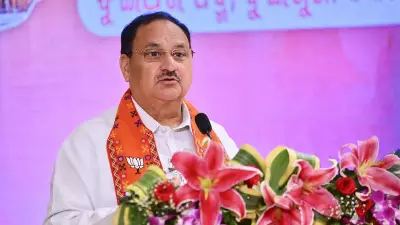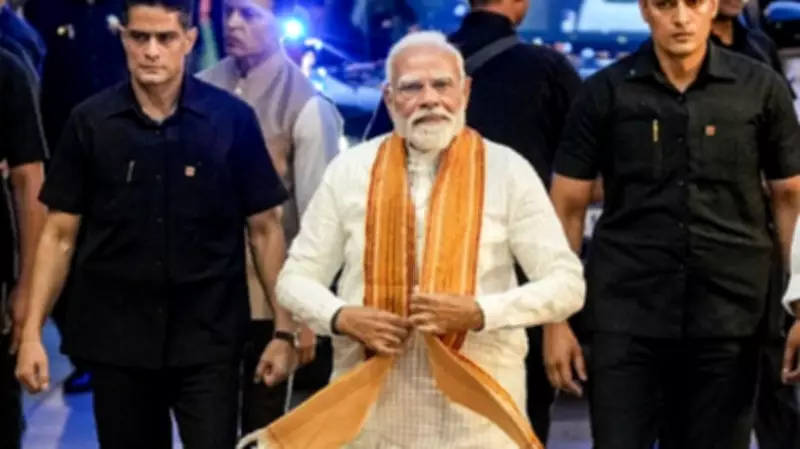
India appears to have finally recognized the magnitude of the West Asia crisis, as Prime Minister Narendra Modi made seven specific requests to citizens aimed at mitigating economic fallout. In a recent address, Modi urged the public to work from home, use public transport, stop buying gold, reduce cooking oil consumption, avoid imported goods and foreign trips, and use less fertilizer. These measures, outlined in a Bloomberg Opinion piece, reflect growing concerns over supply chain disruptions and rising prices linked to the ongoing conflict.
Context of the Crisis
The West Asia crisis has escalated over recent months, impacting global energy markets and trade routes. India, heavily reliant on oil imports from the region, faces inflationary pressures and potential shortages. The government's response signals a shift from earlier dismissive attitudes toward the crisis's severity.
Modi's Seven Requests
- Work from home: To reduce fuel consumption and traffic congestion.
- Use public transport: Encouraging mass transit to cut individual vehicle use.
- Stop buying gold: Aimed at curbing import demand and preserving foreign exchange.
- Cut down on cooking oil: Reducing reliance on imported edible oils.
- Avoid imported goods: Promoting domestic products to support local industry.
- Avoid trips abroad: Limiting foreign travel to save foreign currency.
- Use less fertilizer: Addressing potential shortages and environmental concerns.
Economic Implications
These requests come amid warnings from economists about a potential slowdown. The measures are voluntary but indicate a coordinated effort to manage demand and stabilize the economy. Critics argue that more structural reforms are needed, while supporters see this as a necessary step in difficult times.

The Bloomberg Opinion article emphasizes that India's acknowledgment of the problem is long overdue. The crisis has already led to higher fuel prices and disrupted supply chains, affecting everything from agriculture to manufacturing. By appealing directly to citizens, Modi aims to foster a collective response to external shocks.
Public Reaction
Reactions have been mixed. Some citizens appreciate the proactive approach, while others question the feasibility of such lifestyle changes. Social media discussions highlight concerns about work-from-home policies and the practicality of reducing fertilizer use in an agrarian economy.
As the situation evolves, India's ability to adapt will be closely watched. The seven requests may be just the beginning of a broader strategy to navigate the West Asia crisis.