

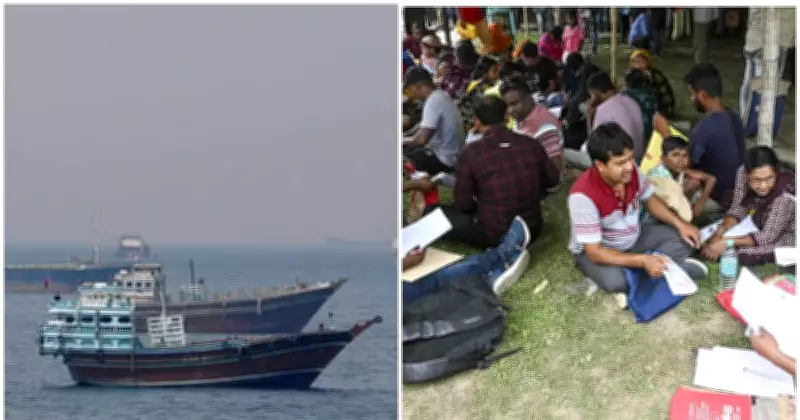
Ten Indian Commercial Vessels Safely Transit Strait of Hormuz
In a significant development for maritime security and trade, ten Indian vessels have successfully and safely crossed the strategic Strait of Hormuz. This crucial waterway, located between the Persian Gulf and the Gulf of Oman, is a vital chokepoint for global oil shipments and international commerce.
The safe passage of these Indian ships comes amid ongoing regional tensions and geopolitical uncertainties that have periodically raised concerns over freedom of navigation in the area. The vessels, which include cargo ships and tankers, were part of routine commercial operations, underscoring India's reliance on this route for energy imports and export trade.
This incident highlights the importance of diplomatic efforts and naval preparedness in ensuring secure maritime corridors. Indian authorities have been closely monitoring the situation, coordinating with international partners to safeguard national interests and the safety of crew members.

Supreme Court Seeks Report on Functioning of Tribunals in West Bengal
In a separate but equally important judicial matter, the Supreme Court of India has directed the submission of a detailed report on the functioning of tribunals in the state of West Bengal. This move by the apex court aims to assess the efficiency, transparency, and adherence to legal protocols within these quasi-judicial bodies.
Tribunals in West Bengal, like in other states, play a critical role in adjudicating disputes related to various sectors such as land, revenue, and administrative matters. The Supreme Court's intervention seeks to address potential backlogs, procedural delays, or irregularities that might affect justice delivery.
The court has asked for comprehensive data on case pendency, disposal rates, appointment of members, and overall operational challenges faced by these tribunals. This step is part of broader judicial reforms to enhance accountability and ensure that tribunals function effectively as alternative dispute resolution mechanisms.
Key aspects of the Supreme Court's directive include:
- Evaluation of tribunal infrastructure and resources.
- Review of appointment processes for tribunal members.
- Assessment of case management systems to reduce delays.
- Recommendations for improvements to streamline operations.
This development underscores the judiciary's proactive role in overseeing state-level institutions to uphold the rule of law and protect citizens' rights. It also reflects ongoing efforts to strengthen India's legal framework and governance structures.






