

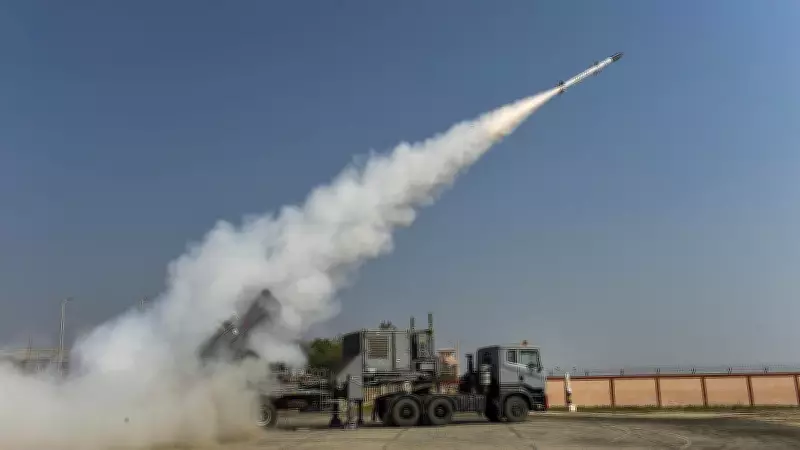
India's Defence Budget: A Critical Examination of Military Preparedness Spending
In the current global climate marked by geopolitical tensions and regional conflicts, the question of whether India is allocating sufficient resources to its defence preparedness has become increasingly urgent. While the country's defence budget might seem impressive at first glance, a deeper analysis reveals significant gaps in real investment toward building lethal capacities and modernizing the armed forces.
The Illusion of a Large Defence Budget
On paper, India's defence expenditure appears robust, often ranking among the top military spenders globally. However, this figure can be misleading when scrutinized closely. A substantial portion of the budget is consumed by recurring expenses such as salaries, pensions, and routine maintenance, leaving limited funds for critical capital acquisitions and technological upgrades. This structural imbalance hampers the military's ability to invest in next-generation weaponry, advanced surveillance systems, and cutting-edge defence technologies essential for modern warfare.
Furthermore, inflationary pressures and currency fluctuations erode the purchasing power of the allocated funds, particularly for imports of defence equipment. As a result, the actual enhancement of combat capabilities may fall short of what the headline numbers suggest. Experts argue that without a strategic reallocation toward research and development, indigenous manufacturing, and high-impact procurements, India risks falling behind in the rapidly evolving defence landscape.

Inadequate Investment in Lethal Capacities
The core issue lies in the inadequacy of spending on what truly matters: lethal capacities. This encompasses not only offensive and defensive weaponry but also the integration of artificial intelligence, cyber warfare capabilities, and space-based assets. Compared to global peers and potential adversaries, India's investment in these domains remains modest, raising concerns about operational readiness and deterrence effectiveness.
For instance, the modernization of the army, navy, and air force has been slow, with aging equipment and delayed procurement projects becoming a recurring theme. The need for a more agile and technology-driven defence ecosystem is paramount, yet budget constraints often lead to compromises in quality and timelines. Additionally, the focus on quantity over quality in some acquisitions may not translate into enhanced battlefield performance, underscoring the need for a more nuanced spending strategy.
Key areas requiring immediate attention include:- Boosting indigenous defence production under initiatives like 'Make in India' to reduce import dependency.
- Increasing funding for defence research organizations to foster innovation and self-reliance.
- Streamlining procurement processes to avoid cost overruns and delays in critical projects.
- Enhancing jointness among the three services to optimize resource utilization and combat synergy.
The Broader Context of Troubled Times
In an era characterized by border skirmishes, terrorism threats, and great power competition, the stakes for India's defence preparedness have never been higher. The country faces a complex security environment with multiple challenges, from traditional land-based conflicts to emerging domains like cyber and electronic warfare. A robust defence budget that translates into tangible capabilities is not just a fiscal matter but a strategic imperative for national sovereignty and regional stability.
Public discourse, as highlighted in opinion pieces, often revolves around whether the current spending levels are commensurate with these threats. While increases in absolute terms are noted, the proportion of GDP dedicated to defence has seen a gradual decline in recent years, prompting calls for a more sustainable and forward-looking approach. Balancing economic growth with security needs remains a delicate act, but one that cannot be ignored in the face of evolving dangers.

In conclusion, while India's defence budget may look large on the surface, the real test lies in how effectively it is channeled into building lethal capacities and ensuring military readiness. As Subhash Chandra Garg and other analysts point out, without addressing the underlying inadequacies in investment, the nation's defence preparedness could be compromised in these troubled times. A holistic review of spending priorities, coupled with greater transparency and accountability, is essential to safeguard India's interests and maintain a credible deterrent posture on the global stage.





