

India's Decades-Long Political Truce Comes to an Abrupt End
The longstanding political truce that has characterized India's national landscape for decades is officially over. This significant development marks a pivotal moment in the country's political evolution, as regional forces and representation issues surge back to the forefront of national discourse.
Constitutional Amendment Falls, But Regional Agenda Revives
Although the recent constitutional amendment aimed at addressing these matters has ultimately failed to pass, its collapse has paradoxically reignited the debate over regional political representation. This reset is now very much back on the national agenda, with implications that could reshape India's political framework for years to come.
The failure of the amendment has not dampened the urgency of the issue; instead, it has highlighted the deep-seated tensions and unresolved conflicts between central and regional powers. Political analysts observe that this moment represents a critical juncture where old compromises are being re-evaluated and new alliances may form.

Implications for Lok Sabha and National Governance
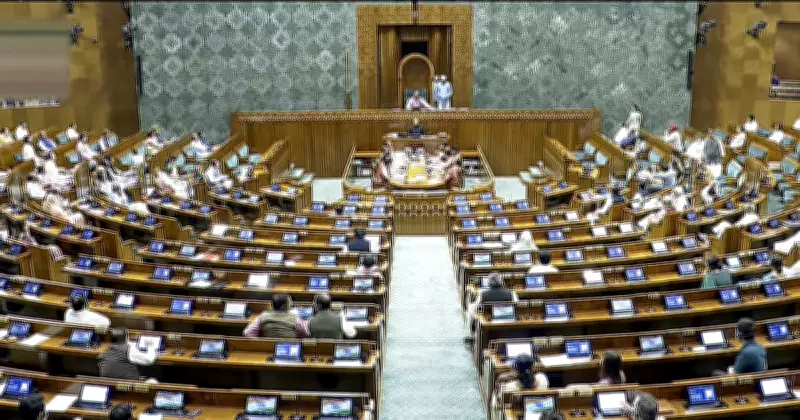
The resurgence of regional representation debates is expected to have profound effects on the Lok Sabha and broader governance structures. Key areas of focus include:
- Delimitation processes that could alter parliamentary constituencies and influence electoral outcomes.
- Power-sharing arrangements between the central government and state administrations.
- Policy-making dynamics that may shift to accommodate diverse regional interests.
This political reset comes at a time when India faces numerous challenges, from economic reforms to social cohesion. The end of the truce suggests that regional parties and leaders are poised to play a more assertive role in national politics, potentially leading to increased volatility but also greater diversity in political representation.
Historical Context and Future Outlook
The decades-long truce had previously provided a semblance of stability, allowing for coordinated national policies despite underlying regional disparities. Its dissolution signals a return to a more contentious and competitive political environment, where regional identities and demands cannot be ignored.
As India moves forward, observers will closely watch how this reset unfolds in parliamentary sessions, election campaigns, and policy debates. The renewed focus on regional representation may drive significant changes in how India is governed, with potential impacts on everything from legislative agendas to international relations.
The end of this political era underscores the evolving nature of Indian democracy, where regional voices are increasingly demanding their rightful place at the national table.






