India's Strategic Push for Rafale Jets: A Closer Look at the Massive Defense Deal
India is making a decisive move in its defense strategy. The country is pushing forward with a significant expansion of its Rafale fighter jet fleet. This comes at a crucial time when regional security challenges are growing and India's air force squadron numbers face pressure.
The Core of the ₹3.25 Lakh Crore Proposal
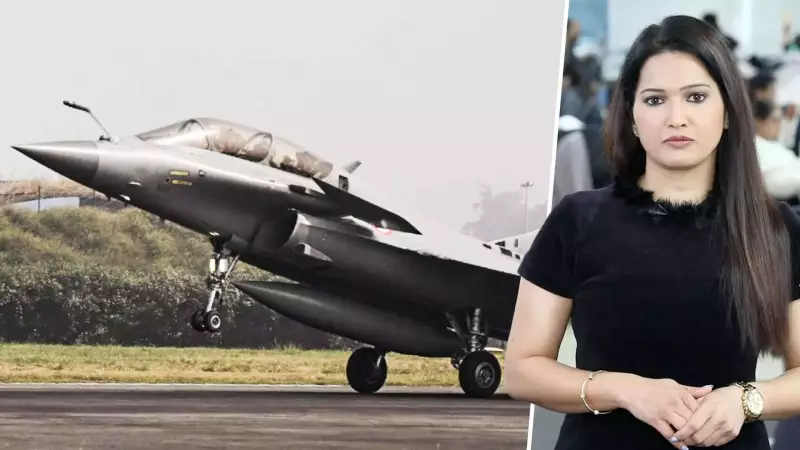
The Defense Ministry will soon discuss a substantial proposal. This proposal involves purchasing 114 additional Rafale fighter jets. The total value of this deal reaches an impressive ₹3.25 lakh crore. This isn't just about buying more aircraft. It represents a comprehensive approach to strengthening India's air power.
The deal includes several important components:

- Integration of Indian-made weapons systems
- Significant local manufacturing components
- Establishment of a new engine maintenance hub in Hyderabad
Why Rafale Over Other Options?
India had received offers from both the United States and Russia for fighter jets. Despite these alternatives, the government is doubling down on the Rafale platform. Several factors explain this strategic choice.
First, operational experience matters. The Rafale jets have demonstrated their capabilities during Operation Sindoor. This successful deployment has reinforced trust in the aircraft's performance. Specifically, the Rafale has shown effectiveness against advanced missile systems, including those deployed by China.
Second, timing is crucial. The Rafale platform offers faster induction compared to starting fresh with a completely new aircraft type. India needs to bolster its air force capabilities without lengthy delays.
Beyond Immediate Combat Readiness
This deal looks beyond just putting more jets in the sky. It represents a strategic shift toward long-term defense self-reliance. The local manufacturing components and maintenance hub development point toward this goal.
The Hyderabad engine maintenance facility will create important infrastructure. This infrastructure supports not just current operations but future indigenous development as well. It's a step toward reducing dependence on foreign maintenance and support.
India's choice signals a preference for proven technology that can be integrated with domestic systems. The ability to incorporate Indian weapons onto the Rafale platform demonstrates this approach. It shows confidence in combining international platforms with homegrown capabilities.
The Bigger Strategic Picture
More than a simple purchase, this Rafale expansion communicates India's defense priorities clearly. The country is choosing:
- Proven combat power that has demonstrated effectiveness in real operations
- Faster induction timelines to address immediate security needs
- A steady movement toward greater defense independence and manufacturing capability
This decision comes amid evolving regional dynamics and global defense partnerships. By committing to the Rafale platform, India is making a statement about its strategic autonomy. The country is selecting technology that meets its specific operational requirements rather than simply accepting what other nations might prefer to sell.
The substantial investment reflects India's commitment to modernizing its air force while building domestic defense capabilities. As discussions move forward in the Defense Ministry, this proposal represents one of the most significant defense decisions in recent years.