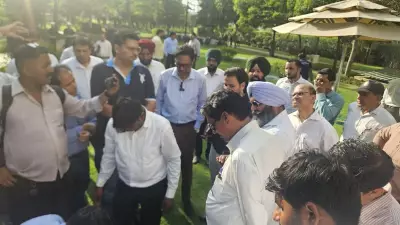
An Indian Police Service (IPS) officer in Madhya Pradesh has stirred controversy by recommending that students in madrasas read the Bhagavad Gita in addition to the Quran. This suggestion comes after the officer previously made headlines for directing all police training schools in the state to incorporate recital sessions of the Bhagavad Gita and Ramcharitmanas into their curriculum for recruits.
Background of the IPS Officer's Initiatives
The officer, whose name has not been specified in recent reports, has been a prominent figure in discussions around moral and ethical training in law enforcement. Earlier, he mandated that police training institutions in Madhya Pradesh include sessions focused on the Bhagavad Gita and Ramcharitmanas. According to the officer, studying these Hindu scriptures would help recruits lead a "righteous" life, emphasizing values such as duty, discipline, and ethical conduct.
Expanding the Scope to Madrasa Students
In a recent development, the IPS officer has extended his advocacy for scriptural study to madrasa students. He proposed that these students, who primarily engage with the Quran in their religious education, should also read the Bhagavad Gita. The officer believes that exposure to multiple religious texts can foster a broader understanding of spirituality and morality, potentially promoting interfaith harmony and personal growth.

Reactions and Implications
This recommendation has elicited mixed reactions from various quarters. Supporters argue that it encourages a holistic approach to education and moral development, while critics question the appropriateness of imposing Hindu scriptures in Islamic educational settings. The debate touches on broader issues of religious freedom, cultural integration, and the role of religion in public life in India.
Madhya Pradesh, a state with a diverse religious demographic, has often been at the center of such discussions. The officer's initiatives reflect ongoing efforts to blend traditional values with modern policing and education methods. However, they also highlight the delicate balance required in a pluralistic society like India.
Historical Context and Precedents
This is not the first time that the inclusion of religious texts in secular or multi-faith contexts has sparked debate in India. Similar proposals have been made in other states, often leading to legal and social scrutiny. The IPS officer's actions are part of a larger trend where public figures advocate for the integration of spiritual teachings into professional and educational frameworks.
As of January 27, 2026, the story continues to develop, with no official response from the Madhya Pradesh government or educational authorities regarding the officer's latest suggestion. Observers are keenly watching how this situation unfolds, as it could set a precedent for future policies on religious education in India.