

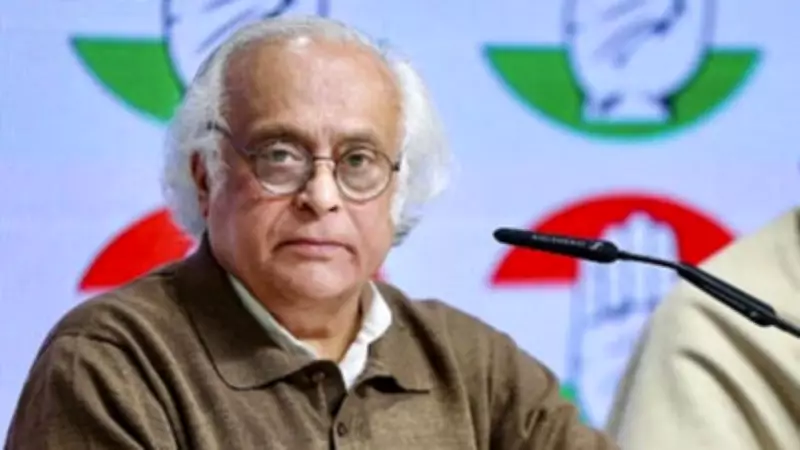
Jairam Ramesh Advocates for More Affordable and Efficient Domestic Remittances
Congress leader and prominent politician Jairam Ramesh has issued a strong call to action, urging a significant reduction in both the time and cost associated with domestic remittances within India. This appeal underscores a critical issue affecting millions of citizens, particularly migrant workers who rely on sending money to their families in rural areas.
The Economic and Social Impact of High Transfer Costs
Domestic remittances play a vital role in India's economic framework, serving as a financial lifeline for households across the nation. However, the current system often imposes substantial fees and delays, which can erode the hard-earned income of workers. Ramesh highlighted that these inefficiencies not only burden individuals but also hinder broader financial inclusion efforts and economic growth. By reducing these barriers, the government and financial institutions could empower more people to participate fully in the economy.
Challenges Faced by Migrant Workers and Rural Communities
Migrant workers, who frequently move from rural to urban areas for employment, are disproportionately affected by high remittance costs. Every rupee saved on transfer fees translates to more money reaching their families, which can be used for essential needs like education, healthcare, and agriculture. Ramesh pointed out that streamlining these processes is not just a financial matter but a social imperative, as it supports the well-being of vulnerable populations and strengthens rural economies.

Potential Solutions and Policy Recommendations
To address this issue, Ramesh suggested several measures that could be implemented:
- Leveraging Digital Platforms: Expanding the use of digital payment systems and mobile banking to make transfers faster and cheaper.
- Regulatory Reforms: Introducing policies that cap fees and ensure transparency in remittance services.
- Public Awareness Campaigns: Educating citizens about affordable transfer options to reduce reliance on costly informal channels.
These steps could help create a more inclusive financial ecosystem, aligning with national goals for economic development.
Broader Implications for India's Financial Landscape
Reducing the time and cost of domestic remittances has far-reaching benefits beyond individual savings. It can boost consumption in rural areas, stimulate local businesses, and enhance overall economic stability. Ramesh's advocacy reflects a growing recognition among policymakers of the need to modernize India's financial infrastructure to serve all citizens equitably. As the country continues to advance technologically, ensuring that these advancements benefit everyone, especially the marginalized, remains a key priority.






