Families of Jallianwala Bagh Victims Stage Protest Over Denied Freedom Fighter Benefits in Amritsar
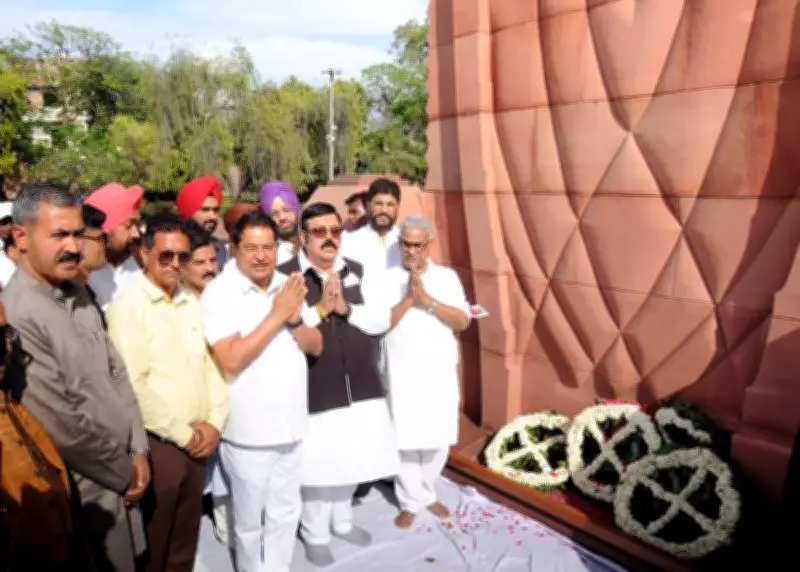
In a poignant demonstration of historical grievance, the families of victims from the Jallianwala Bagh massacre have taken to the streets in Amritsar to protest against the government's denial of freedom fighter benefits. This protest highlights a long-standing issue where descendants of those who perished in the 1919 tragedy are being excluded from financial and social support schemes intended for freedom fighters and their kin.
Background of the Jallianwala Bagh Massacre
The Jallianwala Bagh massacre, which occurred on April 13, 1919, in Amritsar, Punjab, remains one of the darkest chapters in India's colonial history. British troops, under the command of General Reginald Dyer, opened fire on a peaceful gathering of unarmed civilians, resulting in hundreds of deaths and injuries. This event is widely regarded as a pivotal moment in the Indian independence movement, galvanizing public sentiment against British rule.
Current Protest and Demands
The protesting families, many of whom have preserved oral histories and documents linking them to the victims, argue that their ancestors' sacrifices should qualify them for benefits such as pensions, healthcare subsidies, and educational assistance under government schemes for freedom fighters. They claim that despite repeated appeals and promises from authorities, their applications have been consistently rejected or ignored.

Key issues raised by the protesters include:
- Lack of official recognition for Jallianwala Bagh victims as freedom fighters in government records.
- Inconsistent application of benefit criteria across different states and central schemes.
- Emotional and financial distress faced by families due to the denial of support.
Government Response and Historical Context
Historically, the Indian government has instituted various schemes to honor and support freedom fighters and their families, such as the Swatantrata Sainik Samman Pension Scheme. However, the inclusion of Jallianwala Bagh victims in these benefits has been a contentious issue. Officials have cited challenges in verifying lineage and the specific criteria for eligibility, which often require documented proof of active participation in the independence struggle.
Protesters counter that the massacre itself was an act of resistance against colonial oppression, and victims should be automatically considered martyrs of the freedom movement. They point to similar cases where victims of other colonial-era atrocities have received benefits, arguing for parity and justice.
Impact on the Community and Broader Implications
The protest in Amritsar has drawn attention from local media and civil society groups, sparking debates about how India commemorates its historical struggles. Beyond the immediate financial concerns, the issue touches on themes of memory, recognition, and reparative justice in post-colonial societies. Families express that the denial of benefits adds to the trauma of their loss, perpetuating a sense of neglect by the state.
As the protest continues, there are calls for a review of policy frameworks to ensure that all victims of colonial violence are duly recognized. This situation underscores the need for a more inclusive approach to historical justice, balancing bureaucratic requirements with moral obligations to honor the past.