

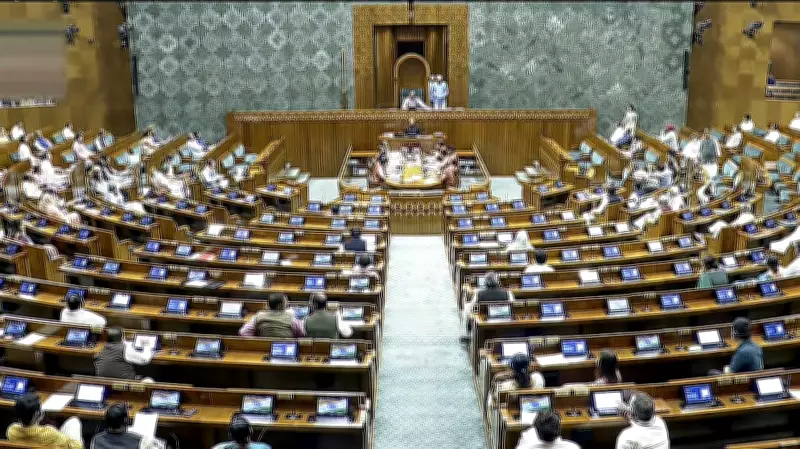
Jan Vishwas Amendment Bill 2026 Tabled in Lok Sabha by Commerce Minister Jitin Prasada
In a significant legislative move, the Indian government introduced the Jan Vishwas (Amendment of Provisions) Bill, 2026, in the Lok Sabha on March 27, 2026. The bill was presented by Minister of State for Commerce and Industry Jitin Prasada, marking a pivotal step in the government's ongoing efforts to streamline regulatory frameworks and improve governance across various sectors.
Incorporation of Select Committee Recommendations
The introduction of this bill follows the careful consideration and integration of recommendations from a parliamentary select committee. This committee, tasked with reviewing the proposed amendments, provided crucial insights that have been incorporated to ensure the bill addresses key issues effectively and aligns with broader policy objectives.
The Jan Vishwas Bill aims to amend existing provisions to reduce compliance burdens, enhance ease of doing business, and foster a more transparent and accountable administrative environment. By leveraging the committee's feedback, the government seeks to create a robust legal framework that supports economic growth and public welfare.

Key Objectives and Expected Impact
The primary goals of the Jan Vishwas Amendment Bill include:
- Simplifying Regulatory Processes: Reducing bureaucratic hurdles and paperwork for businesses and citizens.
- Promoting Transparency: Ensuring clearer guidelines and procedures in governance.
- Boosting Economic Efficiency: Facilitating smoother operations for industries under the commerce and industry sectors.
- Enhancing Public Trust: Building confidence in government systems through improved legal provisions.
This legislative initiative is part of a larger strategy to modernize India's regulatory landscape, making it more responsive to contemporary challenges and opportunities. The bill's introduction in the Lok Sabha sets the stage for detailed discussions and potential amendments during parliamentary debates, with stakeholders closely monitoring its progress.
Broader Context and Future Steps
The tabling of the Jan Vishwas Bill underscores the government's commitment to legislative reforms that prioritize citizen-centric governance. As the bill moves through the parliamentary process, it will undergo scrutiny from lawmakers, experts, and the public, ensuring that its provisions are thoroughly vetted and refined.
This development is expected to have far-reaching implications for India's political and economic spheres, potentially influencing future policy directions and regulatory practices. The focus remains on achieving a balance between regulatory oversight and operational flexibility, driving sustainable development and national progress.






