

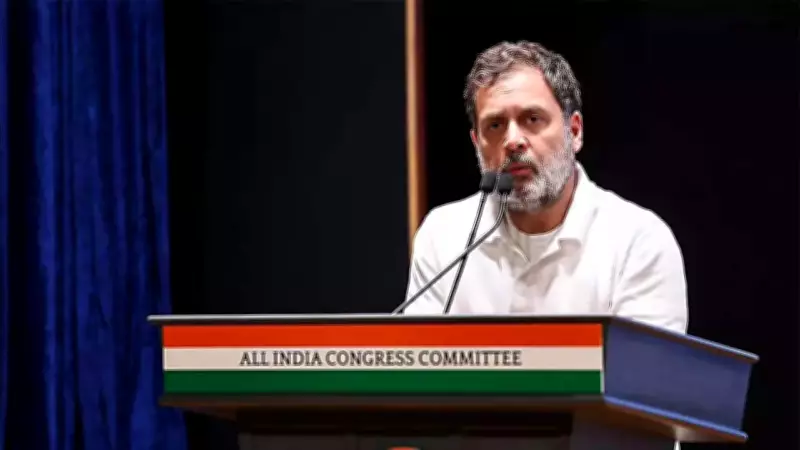
Journalist Organizations Criticize Rahul Gandhi Over Media Comments
Two prominent journalist bodies issued strong criticism on Saturday against Congress leader Rahul Gandhi for questioning the impartiality of media professionals. The organizations emphasized that political leaders must employ respectful language when addressing the press, particularly in public forums such as Parliament.
Background of the Controversy
The reaction followed Gandhi's interaction with reporters outside Parliament earlier in the week, where he urged journalists to adopt more objective reporting practices. This exchange occurred as Gandhi responded to queries regarding the treasury benches contemplating a privilege notice against him concerning his recent Budget speech remarks. The Leader of the Opposition asserted that media should not simply echo information provided to them without critical analysis.
Joint Statement from Journalist Bodies
The National Union of Journalists and the Delhi Journalists Association released a joint statement condemning Gandhi's remarks as inappropriate. "The LoP targeting and insulting media personnel in such a manner is highly condemnable," stated NUJ president Ras Bihar. He further elaborated that such statements constitute an attack on press freedom and undermine the essential role media plays in a functioning democracy.

DJA president Rakesh Thapliyal and general secretary Pramod Kumar Singh articulated that journalism's fundamental purpose is to question those in positions of power and deliver accurate information to the public. They argued that associating media with any specific political party damages the professional dignity and independence of journalists.
Gandhi's Specific Comments
Rahul Gandhi had directly addressed reporters, stating, "You are not totally employed by BJP. At least try a little bit of objective stuff. It gets really shameful. It's too much." These comments have sparked significant debate about the relationship between political figures and the press corps covering them.
The journalist organizations maintain that while media scrutiny is expected and necessary in democratic systems, political leaders should refrain from language that questions the fundamental integrity of journalists as professionals. This incident highlights ongoing tensions between political leadership and media institutions in India's current political climate.






