

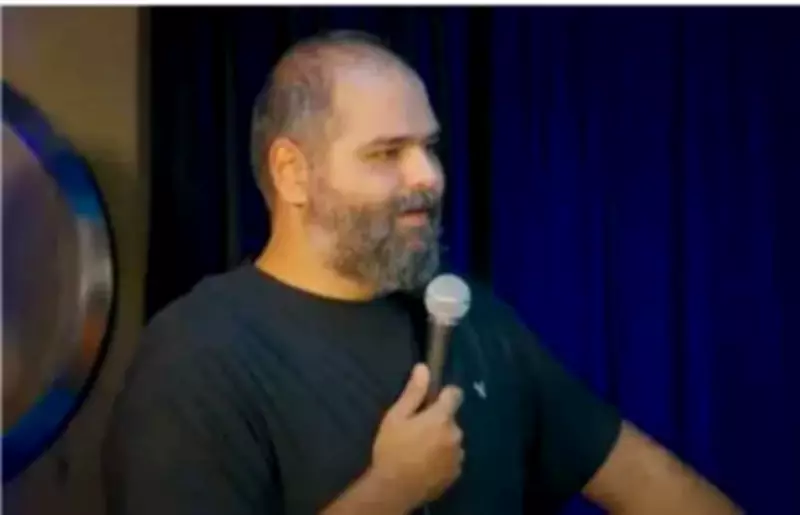
Kunal Kamra Invokes Bal Thackeray's Legacy in Privilege Proceedings Defense
Stand-up comedian Kunal Kamra has launched a pointed defense against breach of privilege proceedings initiated by the Maharashtra legislature, directly invoking the legacy of late Shiv Sena founder Bal Thackeray. The controversy stems from Kamra's satirical song targeting Deputy Chief Minister and Shiv Sena chief Eknath Shinde, who positions himself as the true inheritor of Thackeray's political ideology.
Historical Precedent: Thackeray's Cartoon of Indira Gandhi
In a written deposition submitted to the legislative council's privileges committee, Kamra included a reproduction of a political cartoon created by Bal Thackeray that sharply criticized then Prime Minister Indira Gandhi. The comedian's central argument hinges on the fact that Thackeray, despite his frequent lampooning of authority figures including prime ministers, never faced privilege proceedings for his work.
"Over the last year, I have faced multiple proceedings for a joke that I made about a fight for the political legacy of one of India's most fiery and acclaimed political cartoonists — Balasaheb Thackeray," Kamra stated in his submission, which he subsequently shared on social media platform X.

Political Satire as Ideological Foundation
Kamra's defense positions political satire as integral to the very political tradition that Shinde claims to represent. "Political satire has been the foundation of the very political ideology that Shinde claims to be the true successor of," the comedian argued. "One would imagine that defending Thackeray's political legacy would extend to protecting the freedom of cartoonists and satirists."
The comedian's response came specifically to remarks made by Shiv Sena minister Pratap Sarnaik, who had warned Kamra about understanding "the aggressive approach of Shiv Sainiks, as seen in the past." In his social media post accompanying the deposition, Kamra wrote: "When we elect our leaders, we must ask ourselves whether these are the individuals we trust with the exercise of these powers and privileges." He added pointedly: "Once you get free from threatening artists, take some time out and read this."
Constitutional Concerns and Democratic Principles
Beyond the historical comparison, Kamra's deposition raises significant constitutional questions about legislative privilege powers in contemporary democracy. "I hope that these proceedings shine a spotlight on little-known provisions of the Constitution that can be deployed by elected leaders to threaten or take away the freedom and liberty of citizens," he wrote.
The comedian expressed deep concern about the implications of such proceedings for democratic discourse: "The fact that in a 21st century democracy, elected representatives have the power to institute proceedings against citizens who say things they don't like, and the power to condemn them to imprisonment for such speech, is something that should concern every citizen."
Refusal to Apologize and Setting Precedents
Earlier in the proceedings, Kamra had firmly refused to offer an unconditional apology, stating that doing so would be insincere and would establish a dangerous precedent for artistic freedom. His stance underscores the broader implications of the case beyond his individual circumstances, potentially affecting how satirists and artists engage with political figures across India.
The case continues to develop as the privileges committee considers Kamra's detailed written defense, which combines historical precedent, constitutional arguments, and a direct challenge to the political consistency of those invoking Thackeray's legacy while pursuing privilege actions against contemporary satirists.






