

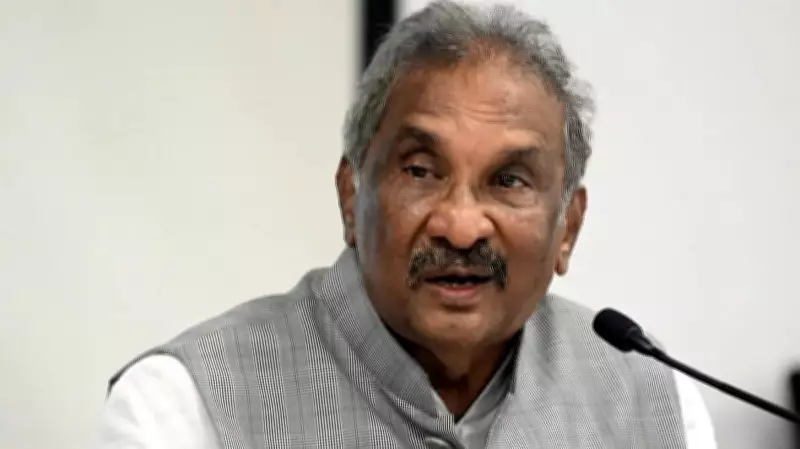
In a significant political development in Karnataka, KJ George has emerged as a key peacemaker between Deputy Chief Minister DK Shivakumar and Chief Minister Siddaramaiah. The Congress leader's role became evident when the party high command summoned Siddaramaiah to Delhi for discussions on May 26, with George accompanying him.
The Delhi Visit
On May 26, Siddaramaiah traveled to the national capital for crucial talks with the Congress leadership. The meeting was aimed at addressing the growing tensions within the Karnataka unit of the party. KJ George's presence alongside Siddaramaiah underscored his growing influence as a mediator.
George's Mediation Efforts
According to sources, George has been working behind the scenes to bridge the gap between the two senior leaders. His efforts have been instrumental in maintaining party unity ahead of key political challenges. The Congress high command has reportedly appreciated his role in diffusing tensions.

Political analysts believe that George's ability to maintain good relations with both factions has made him an indispensable figure in Karnataka Congress. His experience and diplomatic skills have helped prevent a public fallout between Shivakumar and Siddaramaiah, which could have destabilized the state government.
Broader Implications
The power dynamics within Karnataka Congress have been a subject of intense speculation. The emergence of George as a peacemaker is seen as a strategic move by the party to ensure smooth functioning of the government. The Congress leadership is keen on avoiding any internal strife that could benefit opposition parties.
KJ George, a seasoned politician, has held various portfolios in the state government. His recent role as a mediator highlights his importance in the party's internal affairs. With the next assembly elections approaching, maintaining unity within the Congress ranks is crucial.
As the political landscape in Karnataka evolves, all eyes will be on how the relationship between Shivakumar and Siddaramaiah develops. KJ George's continued involvement in the peace process is likely to be a key factor in shaping the state's political future.






